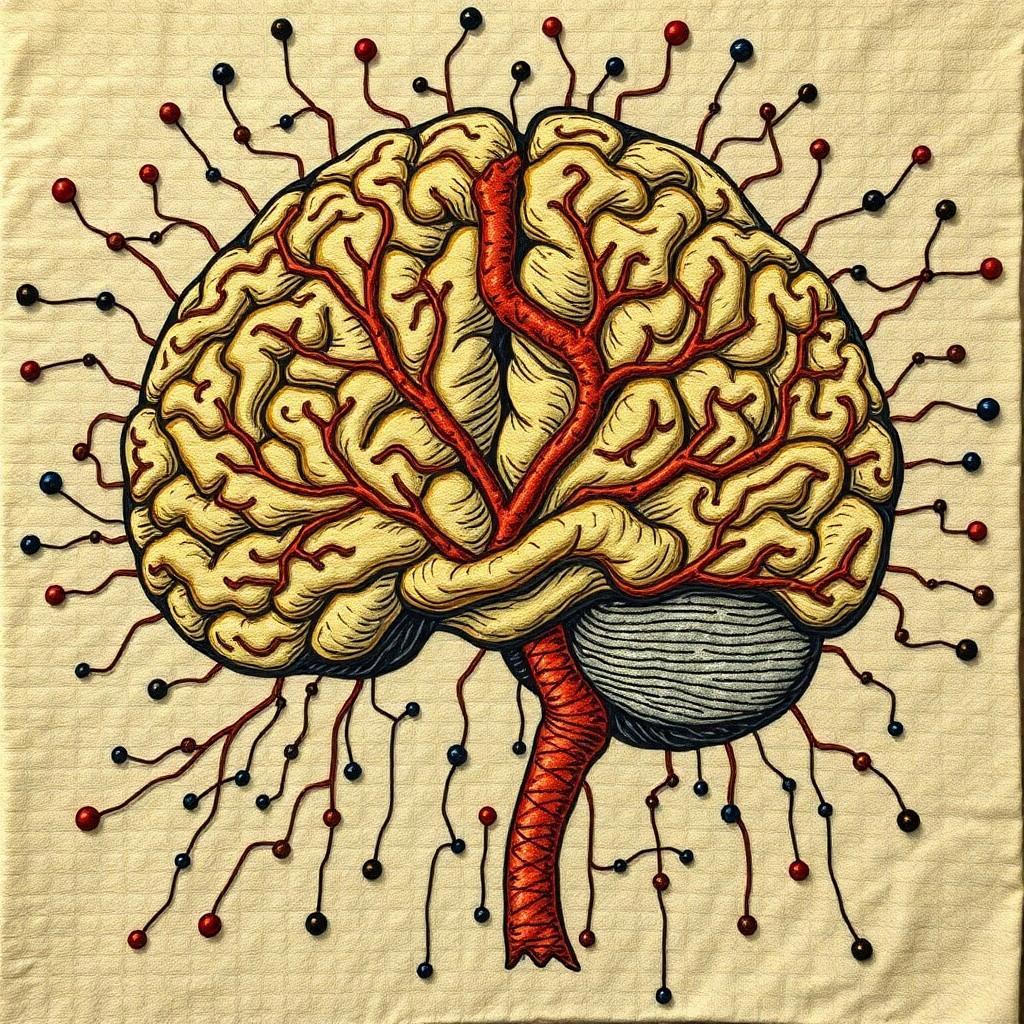
The review is a thoughtful, well-referenced early synthesis arguing that gut microbiota can influence neurodevelopmental domains relevant to ASD and schizophrenia via immune, metabolic, BBB/microglial, and neurotransmitter pathways β an important framing piece that correctly highlights preclinical mechanistic promise but also correctly cautions that human causal evidence is still limited and heterogeneous ()
Graph: qualitative weighting of mechanistic topics emphasized in the review (based on number & depth of citations and discussion in the text) β immune signaling and microglia are most emphasized; behavioral/large-scale clinical evidence is weaker.
This 2-track plot visually contrasts mechanistic preclinical strength vs clinical evidence weakness β which is the main practical message.
Dinan et al. (2017) correctly synthesized mechanistic preclinical data and early human signals linking gut microbiota to neurodevelopmental domains; their call for longitudinal, mechanistic human trials remains the central unmet requirement. Mechanistic pathways (immune β microglia, metabolites β BBB & epigenetics, tryptophan/kynurenine, vagus-mediated neuronal routes) are supported by robust preclinical work but clinical causality remains unproven. The paper is valuable historically as a field-shaping review but readers must avoid overinterpreting preliminary clinical correlations as established causal pathways ().
Custom summaries of the latest cutting edge Science research. Every Friday. No Ads.