Trace biochemical claims to the assays, exact reported values, experimental conditions, and study limitations that support them.Know what the science actually supports before you trust the answer.
Press Enter ↵ to search
Explore by Goal
"One never notices what has been done; one can only see what remains to be done."
- Marie Curie
Quick Answer
Copied
Evidence from the provided records supports that dopamine biosynthesis critically depends on tyrosine hydroxylase (TH) activity (rate-limiting in mammals), with TH loss reducing dopamine-related measures and TH point-mutation causing severe L-DOPA-responsive parkinsonism, consistent with disrupted production upstream of dopamine. In plants, a described TyDC→(tyramine)→PPO hydroxylation pathway produces dopamine from tyramine, with TyDC/PPO loss reducing dopamine and preventing root tissue browning.
Long Answer
What the provided evidence shows (known vs inferred)
Known (mammals; TH-centered): A recessive tyrosine hydroxylase point mutation (L205P) caused severe infantile parkinsonism with markedly reduced TH activity in vitro and CSF homovanillic acid (HVA), and the child improved with L-DOPA/carbidopa, normalizing CSF HVA—consistent with TH-dependent production of dopamine-family metabolites upstream of L-DOPA utilization.
Known (mice; dopamine-deficiency phenotype): Genetically dopamine-deficient mice lacking tyrosine hydroxylase showed substantial behavioral changes (e.g., locomotor activity reduced to 43% of wild-type and cataleptic behavior duration >30 s vs <1 s), indicating TH-dependent dopamine biosynthesis supports postnatal motor and learning functions.
Known (mechanistic regulation focus): The provided review (not a primary dataset) frames tyrosine hydroxylase as a key regulated step in dopamine synthesis, including phosphorylation and catecholamine feedback inhibition.
Known (plants; intermediate switch through tyramine): In the model grass Brachypodium distachyon, TyDC enzymes generate tyramine, and plant PPO enzymes hydroxylate tyramine to produce dopamine. Genetic knockouts of TyDC and PPO reduce tyramine/dopamine metabolites in roots and shoots, and dopamine-pathway mutants fail to darken roots after senescence/damage.
Known (plant pathway relevance to metabolite physiology): The records also indicate heterologous PPO homologs (from multiple species) can support dopamine production when co-expressed with a Brachypodium TyDC, supporting pathway compatibility beyond a single species background.
One quantitative readout from the provided mouse dataset
Locomotor activity reported as relative to wild-type (wild-type = 100%).
Critical note on scope
The provided records include: (i) a plant TyDC→tyramine→PPO→dopamine pathway; (ii) mammalian TH genetic/functional evidence and a TH regulation review. However, the classic step-by-step mammalian reaction sequence from tyrosine to L-DOPA to dopamine (e.g., the specific downstream decarboxylation step) is not explicitly laid out in the supplied excerpts, so I did not assert those biochemical intermediates as a fully evidenced chain from these sources alone.
It compiles a stepwise dopamine-pathway map from the provided plant/mammal records, extracts reported gene/protein names and metabolite changes, then generates a concise evidence table linking each biosynthesis step to the supporting DOI(s).
Get emailed when your analysis is done!
We'll email you the results when your analysis is finished.
Hypothesis Graveyard
A simple “dopamine biosynthesis is identical across mammals and plants” hypothesis is weakened here: plant evidence explicitly uses a tyramine intermediate via TyDC and PPO, while mammalian evidence presented is TH-centric without the same intermediate framing.

 Explore by Goal
 Quick Answer
 Long Answer
 Top Data Sources
 Ask a Follow-Up
 Key Insight
 Keep Exploring
 Analysis
  Hypothesis Graveyard
 Potential Experiments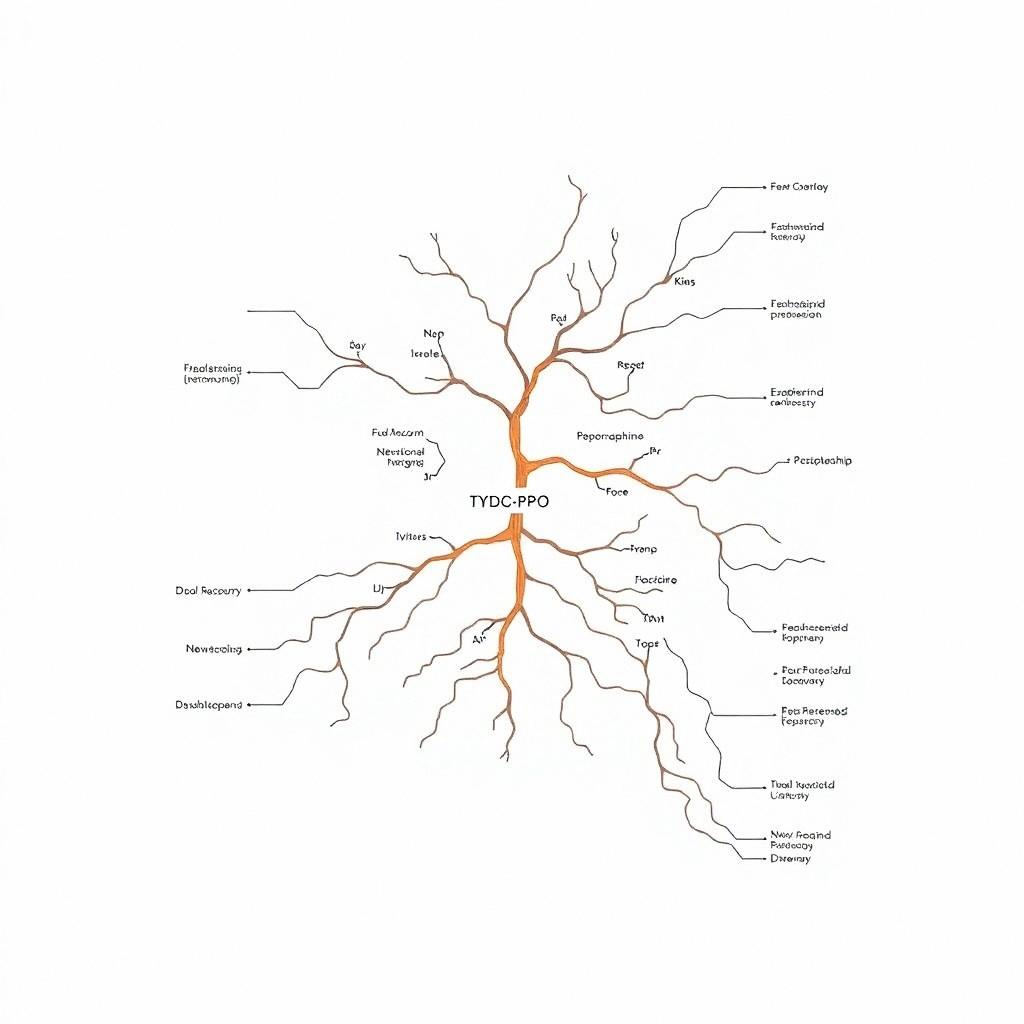
 Discussion