Why BGPT?
logo

Review papers with raw data transparency

Quickly verify claims by accessing the underlying experimental data and figures.


Press Enter ↡ to solve


    Fuel Your Discoveries


     Quick Explanation


    Concise critique β€” Tailford et al., 2015 (Mucin glycan foraging)

    This 2015 review synthesizes biochemical, genomic and ecological evidence that mucin O‑glycans are a key selective resource shaping mucosal microbiota composition, identifies CAZyme classes and PUL strategies used by Bacteroidetes, Verrucomicrobia and select Firmicutes, and correctly highlights major knowledge gaps (few functionally characterized enzymes, strain variability, and in vivo validation needs)

    Quick judgment: accurate, well-referenced synthesis (quality high) but limited by being a review (not new data) and by later advances in mucin enzymology and mucinolysome/cellulosome-like systems (2019–2025 work) that expand mechanistic detail


     Long Explanation


    Visual paper analysis β€” "Mucin glycan foraging in the human gut microbiome" (Tailford et al., 2015)

    Visualize first, explain second β€” key figures below reproduce simple, objective metrics from the paper and from subsequent relevant literature; then concise critical appraisal and recommendations.

    What the paper does well

    • Comprehensive, cross-disciplinary synthesis of mucin structure, mucosa ecology, and known enzymology up to 2015; provides an accessible map of key GH families and PUL/operon strategies that researchers still use as a baseline
    • Highlights ecological consequences (mucosal colonization, early-life colonization, pathogen expansion) and links enzyme specificity to community outcomes using then-available experimental work (e.g., Martens et al. showing PUL fitness)

    Main limitations (fair, evidence-based)

    • By 2015 the review correctly noted the paucity of functionally characterized enzymes; since then, structural/functional studies (e.g., sulfatases, M60 peptidases, mucinolysomes) substantially expanded mechanistic detail β€” a limitation inherent to any review of a rapidly advancing field
    • Review relies heavily on in vitro enzyme assays and model mucins (PGM/BSM); translating activity on synthetic/surrogate substrates to activity on native human MUC2 remains challenging β€” now addressed by multiple 2021–2025 studies emphasizing glycoprotein context and sulfatase/periplasmic localization
    • Important blindspots: strain-level variation (R. gnavus, Bifidobacteria, Akkermansia), host glycan polymorphisms (FUT2 secretor status), and diet‑dependent dynamics β€” each extensively documented after 2015 and reducing over-generalization risk when included (see R. gnavus review 2023; FUT2 human studies)

    Critical appraisal β€” methodology, claims, evidence

    1. Evidence weighting: Tailford et al. properly weigh genetic (PULs), transcriptomic and enzymatic results available then, but the review sometimes implies enzyme function from gene presence; careful readers should treat gene/CAZy annotations as hypotheses until biochemical validation is available
    2. Ecological claims: The review's claim that mucin foraging structures mucosal communities is supported by experimental colonization/competition studies (Martens et al. 2008; Ng et al. 2013) but remains context-dependent (diet, host glycosylation). Users should avoid universal statements that 'mucin-degraders = pathogenic' β€” some (A. muciniphila) show protective correlations depending on context
    3. Clinical implications: Tailford et al. correctly flag IBD/colitis links, but causality is unresolved; more recent human and multi-omics studies (FUT2 interactions, mucin glycosylation cohorts) show host genetics and diet strongly modulate these relationships β€” so therapeutic targeting requires rigorous mechanism-first validation

    Concrete, prioritized recommendations (for researchers)

    • Move from CAZy annotation β†’ biochemical validation: prioritize expression/purification of predicted GHs/CBMs and test on native human MUC2 glycans (not only pNP substrates).
    • Strain-level functional screens: combine comparative genomics with growth assays on human MUC2 and mucin glycoprotein fractions to resolve intra-species variability (R. gnavus, Bifidobacteria, Bacteroides).
    • In vivo ecology: use gnotobiotic multi-species communities with human-like mucin glycosylation (FUT2 matched) to test cooperative degradation and pathogen expansion models (e.g., sialic/fucose release and pathogen exploitation) .

    What would change my confidence (critical tests)

    1. Demonstration that major CAZy-annotated GHs in a dominant mucin degrader do not act on native mucins — would lower confidence in gene→function inferences made in the review.
    2. Robust in vivo evidence that mucin-desulfation or fucosylation changes alone (host-side) are sufficient to rewire mucosal communities and disease phenotypes β€” would strengthen the causal axis favored by the review.

    Citations:


    Feedback:   

    Updated: March 06, 2026

    BGPT Paper Review


    Study Novelty

    70%

    The review synthesizes and organizes diverse biochemical, genomic and ecological data available up to 2015 into a coherent framework (PULs, GH families, mucosal ecology). This is novel as a synthesis at the time, but not ground-breaking as primary experimental innovation β€” later work (2019–2025) extended mechanisms.


    Scientific Quality

    80%

    High-quality, well-referenced review with balanced presentation and explicit caveats (lack of characterized enzymes, reliance on surrogate substrates). No obvious methodological red flags for a review; limitation is inherent (no new data) and some inferences rest on sequence annotation without functional validation.


    Study Generality

    80%

    Addresses a general, widely relevant biological theme (host glycans shaping microbiome composition), with concepts transferable across hosts and taxa; however, specific enzymatic conclusions depended on limited datasets available then.


    Study Usefulness

    80%

    Very useful as a conceptual map and literature hub (lists CAZy families, enzymes, and mucin-degrading taxa) guiding experimental design; but direct translational or therapeutic recommendations require mechanistic follow-up.


    Study Reproducibility

    70%

    As a review reproducibility refers to transparency and citation of source studies; Tailford et al. cite primary data and note limitations; reproducibility of individual claims depends on underlying primary papers (some later validated, others remain to be functionally characterized).


    Explanatory Depth

    70%

    Provides mechanistic hypotheses (enzyme classes, CBMs, PUL organization) and ecological reasoning, but depth limited by available functional/structural data then; subsequent structural enzymology has deepened mechanistic insight.


    🎁 Authors: Collect 351 Free Science Tokens (β‰ˆ $35.1 USD)

    Claim My Author Tokens

    Use for 87 days of free BGPT access (4 tokens = 1 day) or trade/sell (β‰ˆ $35.1 USD)

     Top Data Sources ExportMCP


     Analysis Wizard


    Re-annotating CAZymes and PUL loci across selected gut genomes, producing a table linking gene-family hits to nearest characterized enzymes and predicting substrate specificity to prioritize biochemical validation.


     Hypothesis Graveyard


    Universal harmfulness of mucin-degraders β€” falsified because A. muciniphila and some bifidobacteria can correlate with health benefits depending on context (diet, strain) and provide metabolites that strengthen barrier function.


    All mucin degradation is cell-associated β€” no: extracellular strategies (outer-membrane enzyme release, mucinolysomes) and periplasmic desulfation/localization nuance this simple model.

     Science Art


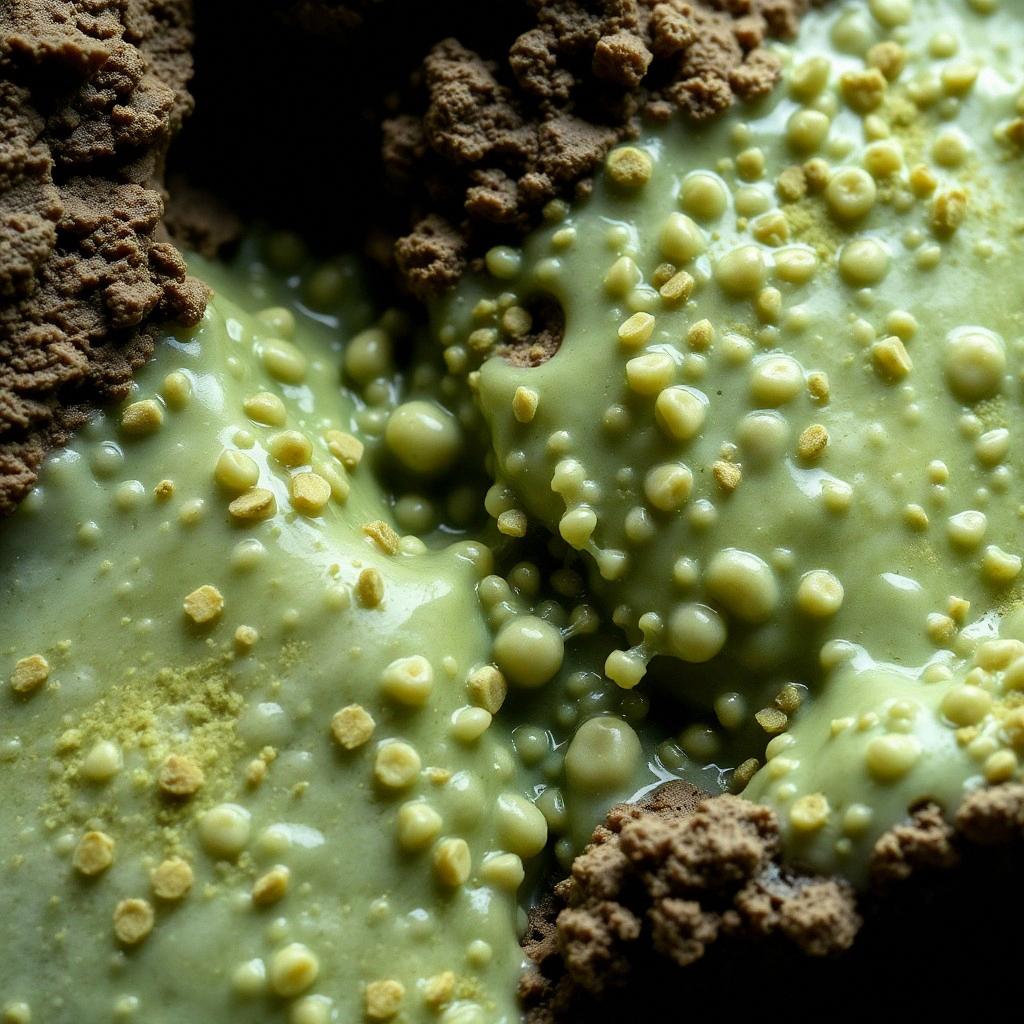
    Paper Review: Mucin glycan foraging in the human gut microbiome Science Art

     Science Movie


    Make a narrated HD Science movie for this answer ($32 per minute)


     Discussion


    Get Ahead With Science Insights

    Custom summaries of the latest cutting edge Science research. Every Friday. No Ads.


    My BGPT