Why BGPT?
logo

Immunology results extracted from full papers

Discover antibody titers, cell assays, and cytokine measurements with source citations.


Press Enter ↵ to solve



    Fuel Your Discoveries


     Quick Answer


    Cross-reactivity (NPSLE): how NMDA-receptor–reactive lupus IgG can target the NMDAR

    • What cross-reacts: NPSLE CSF contains DWEYS-reactive IgG that reacts with NMDA receptor subunits (NR2A/NR2B) and can modulate NMDAR signaling.
    • Why “cross-reactivity” matters: The antibody effect is concentration-dependent: at lower concentrations it can enhance NMDAR-mediated synaptic transmission, while at higher concentrations it shifts toward neurotoxicity via mitochondrial permeability transition (mPT).


     Long Answer


    Cross-reactivity of NMDA-receptor–reactive lupus autoantibodies in NPSLE

    The term “DNRAbs” is not explicitly defined in the provided data. In what follows, I focus on the provided, mechanistically detailed NPSLE model: NMDA receptor–reactive lupus autoantibodies and DWEYS-reactive IgG in CSF that can bind NMDAR subunits NR2A/NR2B and produce dual, concentration-dependent effects on NMDAR function and neuronal viability.

    1) What is cross-reacting with the NMDA receptor?

    • Binding target(s): NMDA-receptor–reactive lupus autoantibodies bind NR2A and NR2B (tested via ELISA/western blot/immunoprecipitation with NR2A/NR2B extracellular domains).
    • Functional specificity: Their synaptic modulation is described as selective for NMDAR-mediated responses (with reported lack of effect on AMPAR/GABA receptor functions in the slice experiments).

    2) Concentration-dependent “dual mechanism” explains cross-reactivity outcomes

    The mechanistic study describes two distinct mechanisms of NMDAR-reactive lupus IgG effects:
    • Low concentrations: enhance NMDAR-mediated synaptic transmission.
    • High concentrations: promote excitotoxicity/neurotoxicity via mitochondrial permeability transition (mPT) leading to apoptosis, blocked by NMDAR-related interventions and cyclophilin D inhibition (CSA reported).

    3) Why cross-reactivity can vary between patients: reported NPSLE CSF IgG range

    The study reports that CSF from NPSLE patients contains DWEYS-reactive IgG at approximately 10 μg/mL to >300 μg/mL. This wide range provides a plausible gating variable for whether the same cross-reactive antibodies fall in a synaptic modulation regime or a neurotoxic regime—within the model’s concentration-dependent framework.

    4) Epistemic caution (what’s known vs. uncertain)

    • Model-to-human translation: Core mechanistic data are from ex vivo hippocampal slices and mouse in vivo injections; the paper itself notes limitations in recapitulating the full human BBB inflammatory environment and that monoclonal antibodies may not capture full polyclonal patient responses.
    • “Cross-reactivity” definition: Here it is operationalized as binding of NMDAR subunit targets (NR2A/NR2B) by lupus IgG and producing NMDAR-dependent functional effects, not as a universal property of all NPSLE antibodies.
    • Confounds for clinical correlation: In broader NPSLE, neuropsychiatric manifestations are heterogeneous; some clinical studies report associations that may not map cleanly to single antibody specificities (example: anti–ribosomal P correlations).

    One falsifiable pivot (what would change this picture)

    If future data show that NPSLE CSF DWEYS-reactive IgG concentrations do not reach functional ranges (in relevant human BBB/brain exposure contexts), or that blocking NMDAR–IgG interactions does not prevent synaptic effects/neurotoxicity in improved in vivo/clinical correlates, then the concentration-dependent cross-reactivity model would be weakened.


    Feedback:   

    Updated: June 01, 2026

     Top Data Sources ExportMCP


     Hypothesis Graveyard


    A “universal NMDA receptor impairment” model (that NMDA-reactive lupus IgG always suppresses NMDAR activity) is disfavored by the provided evidence: the same antibody class is reported to enhance NMDAR-mediated synaptic responses at low concentrations before shifting to neurotoxicity at higher concentrations.

     Science Art


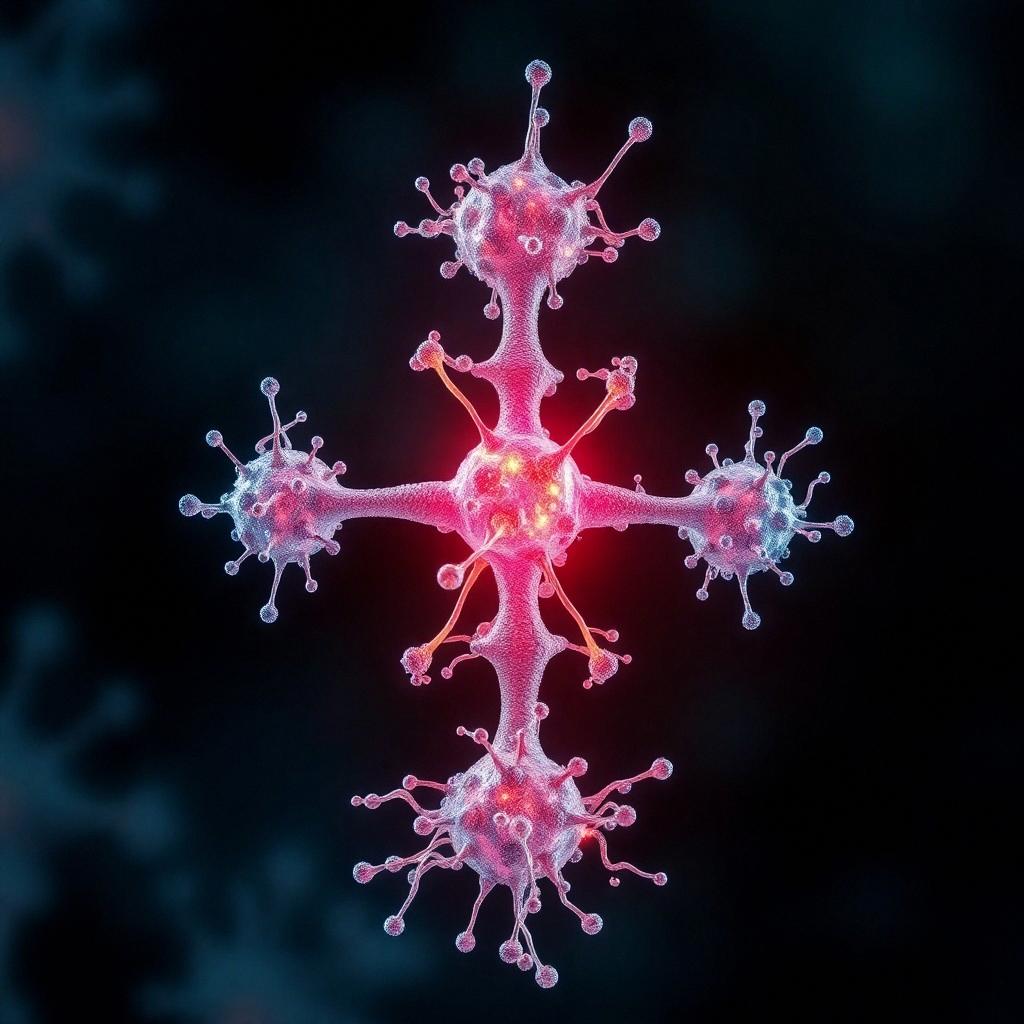
    explain the cross reactivity of DNRAbs and NMDA receptor in NPSLE Science Art

     Science Movie


    Make a narrated HD Science movie for this answer ($32 per minute)


     Discussion


    Get Ahead With Science Insights

    Custom summaries of the latest cutting edge Science research. Every Friday. No Ads.


    My BGPT