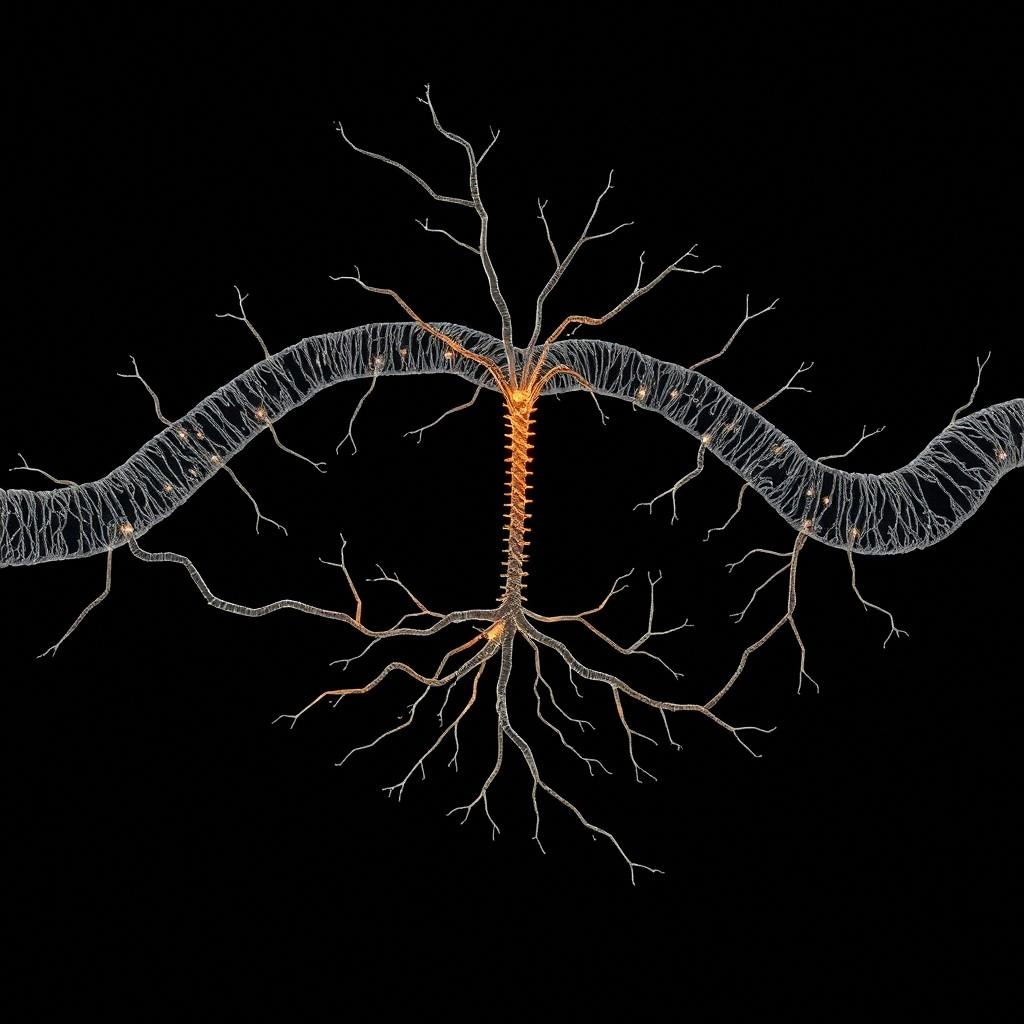
Evidence supports the main phenotypic claim: in replicate organoid assays, all organoids with ZIC2 CRISPRi guide(s) failed closure (persistent U-shaped neural plate), and all with SOX11 phenotype-defining knockdown were reported as closure-failing in the screen; by contrast, ZNF521 knockdown produced multiple discrete closure points (premature/ectopic closure).
(1) The organoid model is presented as reproducible with n=24 organoids in replicates and a Day-4 closure assay described as a closed NCAD-positive ring; (2) the arrayed platform aims for uniform perturbation using high-titer lentivirus produced in small volumes and delivered during hPSC seeding; mCerulean is used as a live reporter for delivery coverage; (3) single-cell RNA-seq at Day 4 uses guide capture sequences to verify knockdown efficiency and argues that ZIC2 and SOX11 knockdowns co-downregulate a shared neural-plate gene set, while ZNF521 shows opposing directionality for those shared targets.
If validated after publication, the work provides an experimental template for mapping gene-regulatory control of morphogenetic tissue states in human organoid systems via arrayed single-gene CRISPRi and guide-capture scRNA-seq readoutsβan approach suited to testing gene modules responsible for closure timing, closure-site specification, and ectopic closure prevention.
Know what changed, what holds up, and what remains uncertain. Every Friday. No ads.