Why BGPT?
logo

The Evidence Layer for Scientific AI

Ask questions across claims linked to experiments, exact results, limitations, and sources.Know what the science actually supports before you trust the answer.

Press Enter ↡ to search evidence


    BGPT Odds of True


    45%

    80% Confidence


    The hypothesis asks whether scientific data exist on non-forceful bottle offering and infant cortisol/stress. Plausibly some pediatric feeding-stress literature exists, but none was supplied, so existence cannot be confirmed or denied.

     Hypothesis Novelty


    55%

    Directly measuring cortisol in response to feeding style in bottle-refusing infants appears underexplored; related responsive-feeding literature exists but not on this specific pairing.

     Quick Answer


    No supplied scientific data exist on non-forceful bottle offering and infant cortisol/stress; the only relevant supplied finding is that feeding refusal occurs in ~19.7% of jaundiced neonates as a pathology signal, which does not apply to an infant who bottles well at daycare .


     Long Answer


    The supplied evidence cannot answer whether non-forceful bottle offering affects infant cortisol or stress β€” no controlled trial, cortisol measurement, or caregiver-context study is present. The only relevant data point is that feeding refusal appears in ~19.7% of jaundiced neonates as an illness signal, weak evidence and inapplicable to your infant, who feeds normally at daycare .

    What is missing: studies measuring salivary cortisol during pressured vs. non-pressured bottle feeding; trials of caregiver identity (primary vs. non-primary) on acceptance; any data on advanced neurodevelopment and feeding selectivity. Home offers by a non-primary caregiver without forcing remain an inference, not substantiated fact.


    Feedback:   

    Updated: September 07, 2026

     Hypothesis Graveyard


    Bottle refusal indicates an oral-motor or medical problem β€” falsified here by intact daycare acceptance.


    Forcing or persistent pressure accelerates bottle acceptance β€” no supplied evidence supports this; coercion risks aversion.

     Science Art


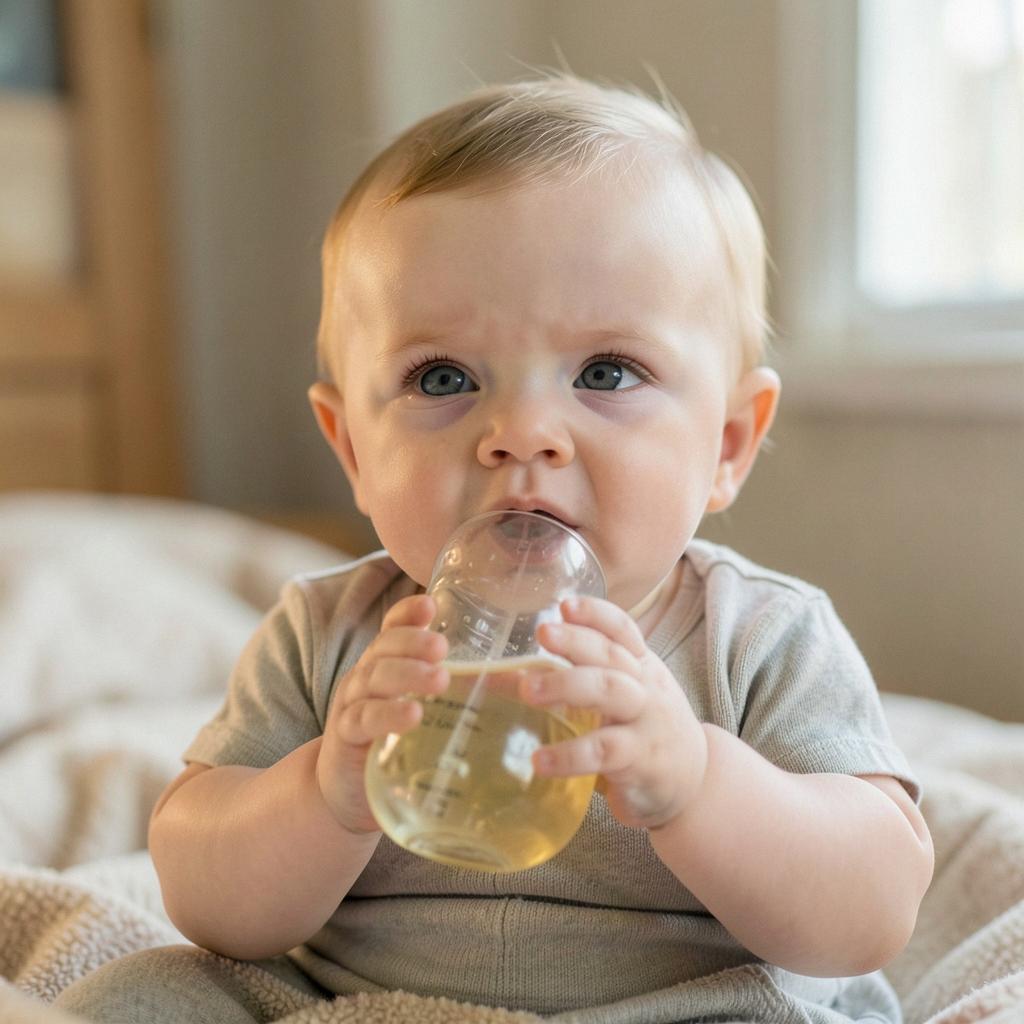
    Is there any scientific data on offering bottle in a non forceful manner and cortisol/ stress for infants that refuse bottle

Previous Question: I have an 3 mo infant that refuses bottle feeding at home but not daycare. The infant is clearly neurologically and motorically advanced 6-12 mo in some ways. Substantiate with scientific evidence the action plan and if I should still try bottle feeding at home as non primary care giver. Science Art

     Science Movie


    Make a narrated HD Science movie for this answer ($32 per minute)


     Discussion


    Stay current without chasing every paper.

    Know what changed, what holds up, and what remains uncertain. Every Friday. No ads.


    My BGPT