See what field and modeling studies actually reported, with every claim linked to its source.Know what the science actually supports before you trust the answer.
Press Enter ↵ to search claims
Explore by Goal
"Just like a single cell, the character of our lives is determined not by our genes but by our responses to the environmental signals that propel life."
- Bruce H. Lipton
Quick Explanation
Copied
Gypaetus barbatus (bearded vulture) is an obligate scavenging raptor whose global populations show significant genetic structure, with southern African birds being the most distinct ([Genetic Structure Study]).
Long Explanation
The Bearded Vulture: Ecology and Movement
Gypaetus barbatus is a large Old World vulture unique for feeding almost exclusively on bone marrow. GPS telemetry of 19 Pyrenean birds (66,467 locations, 2006–2014) revealed dramatic age-dependent movement: territorial birds used ~50 km² home ranges while non-territorial birds ranged over ~10,000 km², with mean daily movements of 23.8 km vs. 46.1 km respectively [Pyrenean Telemetry]. Southern African data confirm this pattern across age classes: sub-adults ranged ~25,985 km² vs. adults at only ~286 km² [SA Range Study].
Genetic Structure and Conservation
Analysis of 236 individuals using 14 microsatellite loci revealed three genetic clusters with the southern African population being most distinct (FST=0.18 vs. Europe) and showing high inbreeding (FIS=0.24), suggesting it warrants separate conservation management [Genetic Structure].
Reproductive Behaviour and Cosmetics
First documented polygyny (1 male, 2 females) was recorded in the central Pyrenees, likely driven by habitat saturation [Polygyny]. Their distinctive orange plumage comes from iron-oxide staining, yet in vitro tests show no antibacterial benefit and no significant breeding advantage (pale 0.88 vs orange 0.76 chicks/pair, p=0.095), pointing instead to a territorial signal function [Colour Study]. Nest-site selection favours rugged cliffs away from human disturbance, with altitude and human activity influencing breeding success [Nest Selection].
Confidence: High for movement, genetic structure, and colour-function findings (moderate-to-large samples, multiple methods); lower for parasite findings given only two carcasses examined [Parasite Report].
Analyzing global microsatellite population structure in bearded vultures using allele frequency data and F-statistics across southern African, northern African, European, and Asian populations.
Get emailed when your analysis is done!
We'll email you the results when your analysis is finished.
Hypothesis Graveyard
Antibacterial feather protection hypothesis — falsified by in vitro tests showing no bacterial growth inhibition and equal feather degradation regardless of staining.
Cosmetic colouring improves breeding success — not supported (p=0.095, no significant difference between pale and orange territories).

 Explore by Goal
 Quick Explanation
 Long Explanation
 Top Data Sources
 Ask a Follow-Up
 Key Insight
 Keep Exploring
 Analysis
  Hypothesis Graveyard
 Potential Experiments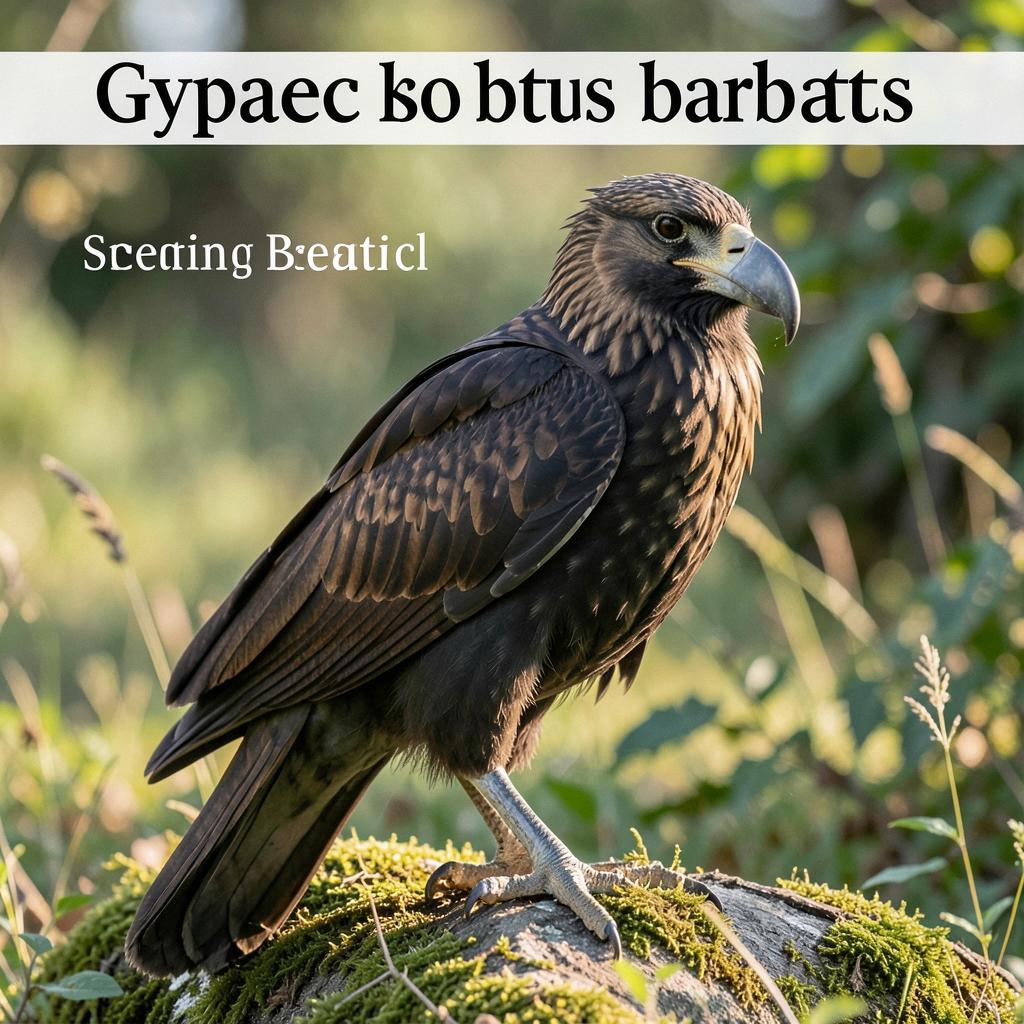
 Discussion