Why BGPT?
logo

Science's Data Search Engine

Results grounded in experimental data—not abstracts.


Press Enter ↵ to solve


    Fuel Your Discoveries


     Quick Analysis Plan


    Evidence-quality map (animal vs human) for cholera phages
    I’ll quantify: (1) human evidence using meta-analytic effect sizes, (2) animal evidence using measured CFU reductions from a cholera phage cocktail study, and (3) cholera-relevant translational signals via wastewater phage–pathogen temporal correlations and host-range specificity.
    Animal efficacy signal: phage cocktail reduced V. cholerae colonization in infant mouse and rabbit models .
    Human evidence context (broader phage therapy): reanalysis of historical vs post-2000 studies finds pooled effectiveness in historical trials but inconclusive pooled effects in contemporary trials .
    Cholera-specific surveillance signal: in Dhaka wastewater/clinical samples, V. cholerae O1 phage abundance tracked seasonal dynamics and showed phage lead time vs cholera cases (r up to ~0.68) .


     Long Analysis Plan


    Bioinformatics/Coding Plan: Cholera Phages — Evidence Quality (Animal Models vs Human Trials)
    Goal: build a quantitative evidence-quality dashboard that separates (i) animal efficacy, (ii) human clinical effectiveness (meta-analytic), and (iii) cholera-relevant translational signals from surveillance/host-range data.
    Inputs available in this session (from provided research data)
    • Human evidence context (meta-analysis): historical (1921–1940) vs post-2000 trials pooled odds ratios and heterogeneity .
    • Cholera-specific translational signals: Dhaka 2024 clinical stool + wastewater surveillance; phage detection patterns, host-range specificity testing, and temporal correlations including wastewater phage lead .
    • Animal efficacy signal (cholera prophylaxis): three-virulent-phage cocktail prevents Vibrio cholerae infection in infant mouse and infant rabbit models; includes dosing/inoculum ranges and bacterial burden outcomes .
    • Biological framing & barriers: reviews note heterogeneity, manufacturing/CMC and host-immune issues, and translational gaps .
    • Safety/translation considerations: preclinical models and safety assessment requirements for human translation are summarized .
    VISUAL 1 — Human vs Animal evidence signals (3 views)
    We deliberately do not claim that surveillance correlation equals clinical efficacy. We treat each signal type as separate evidence strata.
    How to turn these signals into “evidence quality” scores (coding plan)
    • Define evidence strata: Animal efficacy, Human clinical effectiveness, Cholera-relevant translational proxies (surveillance correlation/host-range).
    • Separate “association” from “causation”: correlations in wastewater are treated as predictive biomarkers, not therapeutic efficacy .
    • Score study design quality (lightweight rubric you will implement in code): randomized/blinded status if present; outcome objectivity; pre-specified endpoints if present; sample size; heterogeneity; and manufacturability/CMC relevance (for therapy) .
    Programmatic pipeline (what code will do)
    A) Extract structured numbers from provided sources
    • Create a normalized JSON schema for each paper/figure: study_type, pathogen, model (human/animal/surveillance), effect_metrics (OR, r, CFU change), n, limitations.
    • Populate from: meta-analysis ORs , wastewater surveillance correlations and prevalence , and animal prophylaxis outcomes .
    B) Compute comparable effect summaries
    • Human therapy (meta-analysis): convert pooled ORs to log(OR) for consistent visualization; also track heterogeneity (I2) as an “uncertainty inflation” term if available .
    • Animal prophylaxis: compute log reductions (when CFU/burden values are extractable) and report dose ranges as context; if only ranges are present, implement a “range-aware” metric (min/max effect) without fabricating point estimates .
    • Surveillance: keep r-values as-is; do not treat them as therapeutic efficacy; provide explicit “biomarker predictive potential” labels .
    C) Build a single evidence dashboard
    • One table: “Evidence type × strength × main limitations × confidence level”. Populate limitations from the cited review statements (heterogeneity, translation gaps, manufacturing variability) .
    • One directed graph (optional in code): link “Phage biology & defenses” → “Host range & immune interaction” → “Clinical trial variability” (grounded in the review’s stated challenges) .
    Skeptical checks & blind spots (must be coded as warnings)
    • Species/model mismatch: Animal prophylaxis success may not translate to human treatment effectiveness; encode this as a confidence penalty, not a qualitative statement .
    • Heterogeneity: meta-analytic pooled results show high I2, so the “average” may hide subgroups; compute and surface that explicitly .
    • Observational correlation≠efficacy: surveillance correlations can reflect ecology, seasonal forcing, and sampling/assay sensitivity. Code a “biomarker-not-therapy” label by default .
    • Assay and manufacturing variability: encode “phage formulation variability” as a major uncertainty source for therapy evidence .
    Deliverables (what you will get from the agent)
    • Plotly evidence plots: the three above, plus an added “confidence” band visualization derived from heterogeneity and limitations (computed, not hand-waved) .
    • One evidence table (DataTables.js) mapping: Human trials (meta-analysis context), Animal models (cholera prophylaxis), Surveillance proxies (wastewater/stool), with coded limitations.
    • Actionable next-step checklist for true therapy trials vs biomarker studies—grounded in the stated translational barriers and safety assessment priorities .


    Feedback:   

    Updated: April 15, 2026

     Top Data Sources ExportMCP


     Analysis Wizard


    It will structure the provided study outcomes into a unified evidence JSON, compute log(OR) and r summaries, and render a stratified evidence dashboard (Plotly) plus a limitations-aware evidence table for cholera phage contexts.


     Hypothesis Graveyard


    If contemporary phage trial heterogeneity is purely statistical noise and not driven by biological specificity, then stratifying trials by host-range/lineage should not systematically reduce heterogeneity; current evidence suggests heterogeneity is substantial and sensitivity to outliers exists, so this hypothesis is falsifiable against subgroup effects .


    If wastewater phage lead is a trivial artifact of sampling frequency or detection sensitivity, then multiyear replication in multiple catchments should fail to preserve lead-lag correlations and effect magnitude. The current single-year, limited-window design makes this hypothesis plausible enough to test ."

     Science Art


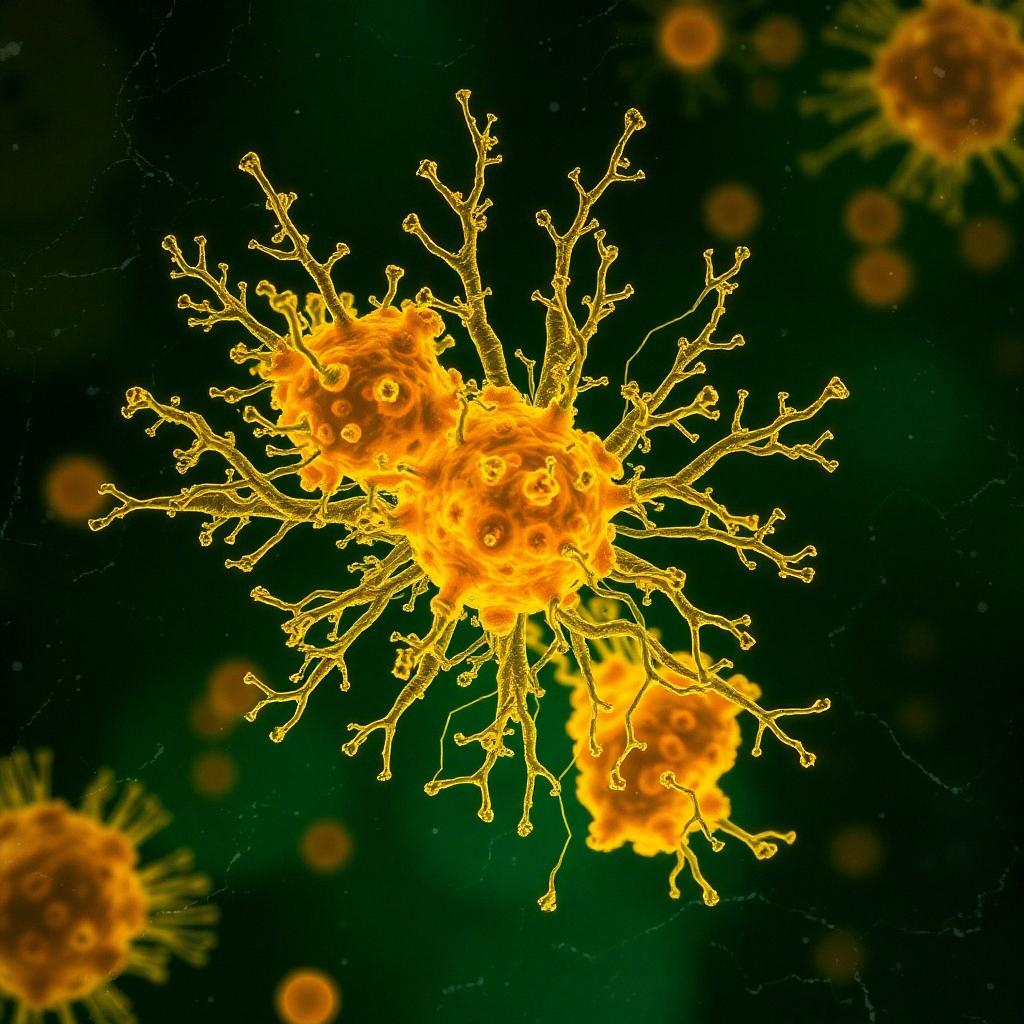
    Analyze Data: Phage Therapy Evidence Quality (Animal Models vs Human Trials) Cholera Phages Science Art

     Science Movie


    Make a narrated HD Science movie for this answer ($32 per minute)


     Discussion


    Get Ahead With Science Insights

    Custom summaries of the latest cutting edge Science research. Every Friday. No Ads.


    My BGPT