Why BGPT?
logo

Paper review grounded in raw data

Read full papers, extract experimental data and metadata, and see exactly what studies found.


Press Enter ↡ to solve


    Fuel Your Discoveries


     Quick Explanation


    Skeptical take:
    This paper proposes a lung→blood→brain mechanism in a bleomycin IPF mouse model: fibrotic lungs elevate circulating S1P, which activates hippocampal S1PR1, driving PI3K/PKA/CREB signaling, glial activation, and ferroptosis-like cell death features linked to anxiety/depression-like behaviors; pharmacologic perturbations (Sphk1 inhibition; Fingolimod) are reported to mitigate those readouts.


     Long Explanation


    Paper Review (visual-first): Lung-derived S1P β†’ hippocampal S1PR1 β†’ neuroinflammation/ferroptosis β†’ emotion-like behaviors
    Target question: Do fibrotic lungs release a specific metabolite (S1P) that causally contributes to anxiety/depression-like phenotypes via defined hippocampal signaling?
    1) Evidence map (what the authors show)
    Claim/Step Evidence type in paper Strength (within this paper)
    Bleomycin IPF model produces lung fibrosis H&E + Masson collagen increase at day 28 Moderate (histologic endpoint; still mouse-model dependent)
    IPF β†’ emotion-like behaviors OFT (↓center time), SPT (↓sucrose), TST/FST (↑immobility) Moderate (standard assays, but β€˜emotion-like’ is indirect)
    IPF β†’ hippocampal synaptic damage + cell death IF: PSD95 & SYP down; Golgi: ↓spines; TUNEL: ↑TUNEL+ Moderate (multiple converging histology-based markers)
    IPF β†’ neuroinflammation IF: IBA1 microglia activation + morphology complexity decrease; GFAP astrocytes + morphology; ELISA cytokine shifts Moderate (glia markers + cytokines)
    Fibrotic lung β†’ altered sphingolipid program Lung RNA-seq: sphingolipid metabolism enrichment; lung metabolomics: specific sphingolipid changes (reported: Cer(d18:2/PGJ2) ↑) Weak-to-moderate (metabolite selection appears narrow; some pathway enrichment β€˜not significant’ per text)
    Serum S1P is elevated Serum metabolomics: S1P + derivatives ↑; ELISA: serum S1P ↑ Moderate (orthogonal metabolomics + ELISA)
    S1P correlates with mood-like behavior Pearson correlations (S1P vs OFT/SPT/TST/FST metrics) Weak (correlation; multiple comparisons risk not addressed in provided text)
    Peripheral S1P administration induces mood-like behavior IP injection of supraphysiological S1P (5 mg/kg/day) β†’ behavioral changes Moderate (sufficiency but at β€˜supraphysiological’ dosing)
    Lung Sphk1/Mfsd2a up; lung S1P unchanged; serum S1P ↑ ELISA lung S1P: unchanged; RNA/qPCR/WB show ↑Sphk1 and ↑Mfsd2a; hypothesis: increased synthesis + efflux Weak-to-moderate (mechanism is an inference; no direct flux measurement)
    S1PR1 up in hippocampus; downstream signaling activated RNA/qPCR/WB: S1PR1 ↑; ELISA: hippocampal S1P not elevated; WB: ↑p-PI3K/p-PKA/p-CREB; ferroptosis markers: ↑ACSL4, ↓GPX4 Moderate (protein-level signaling + marker panel)
    Intervention reduces behavior + neuroinflammation/ferroptosis Sphk1 inhibitor (SKI-V) lowers serum S1P and improves behavior; Fingolimod (FTY720) improves behavior and neuroinflammation/ferroptosis markers Moderate (causal support but confounded by systemic/off-target effects)
    2) Mechanism model (as the authors frame it)
    Proposed causal chain: fibrotic lungs release/increase systemic S1P β†’ serum S1P binds hippocampal S1PR1 β†’ PI3K/PKA/CREB activation β†’ glial activation/neuroinflammation and ferroptosis-like cell death β†’ anxiety/depression-like behaviors.
    Step-by-step β€œknown vs inferred” (critical)
    • Known from paper data: IPF mice show behavioral changes and hippocampal synaptic and cell-death/inflammation signatures.
    • Known from paper data: Serum S1P is elevated (metabolomics + ELISA), while lung S1P content is reported as unchanged by ELISA.
    • Inferred (mechanism hypothesis): upregulated synthesis (Sphk1) + efflux (Mfsd2a) explains unchanged lung S1P but elevated serum S1P; no direct flux measurement is provided in the excerpted text.
    • Known from paper data: hippocampal S1PR1 (selectively) increases, while hippocampal S1P is not significantly increased; phosphorylation of PI3K/PKA/CREB increases; ferroptosis markers shift (ACSL4 ↑, GPX4 ↓).
    • Inferred: that ferroptosis causally drives the behavioral phenotype (markers alone are not definitive ferroptosis without functional ferroptosis-dependency tests).
    3) What’s most convincing vs what’s shaky
    Most convincing (from the paper text)
    • Multi-modal convergence: behavioral assays + hippocampal synapse/cell death + glial activation/cytokines + signaling phosphorylation + ferroptosis-marker panel.
    • Orthogonal S1P measurement: S1P elevation is supported by both LC-MS metabolomics and ELISA.
    • Intervention consistency: Sphk1 inhibition reduces serum S1P and improves both behavioral and mechanistic readouts; Fingolimod likewise mitigates.
    Key shaky points / gaps
    • β€˜Emotion-like’ phenotype validity relies on indirect behavioral surrogates (OFT/SPT/TST/FST). The paper does not show additional construct-valid measures for anhedonia/anxiety besides these tests.
    • Ferroptosis causality is inferred from ferroptosis-associated marker changes (ACSL4, GPX4) rather than explicit ferroptosis-dependency experiments in the provided excerpt.
    • Systemic drug confounding: SKI-V and Fingolimod are pharmacologic perturbations with potential effects beyond the intended target tissue, which can influence immune status, metabolism, and behavior indirectly. The authors themselves acknowledge systemic limitations of pharmacology in the Discussion.
    • S1P compartment logic is inferential: lung S1P content is reported unchanged by ELISA, yet they infer increased efflux. Without direct tracer/flux evidence, this step remains a mechanistic hypothesis.
    4) Data availability & reproducibility signals
    • RNA-seq: uploaded to NCBI; metabolomics to Metabolomics Workbench; public release scheduled β€œone year after publication,” with some data available on request otherwise.
    • Methods detail: the excerpt includes substantial detail on behavioral paradigms, histology/immunofluorescence, RNA-seq processing, metabolomics processing, and statistical framework (fastp, HISAT2, htseq-count, DESeq2, clusterProfiler/GSEA, XCMS, MetaboAnalyst, ImageJ).
    5) Publication-style critique (scientific skepticism checklist)
    Potential bias/confounding to scrutinize
    • Multiple testing burden: correlations and β€˜omics’ discovery steps can create false positives unless corrections/validation are clearly specified. The excerpt shows p<0.05 thresholds but does not show multiplicity correction strategy for correlation screening.
    • Model generality: bleomycin-induced IPF is a common model but may not capture all human IPF features; authors state this limitation.
    • Cell-type specificity: S1PR1 signaling is proposed as hippocampal and peripherally driven, but the excerpt does not present single-cell localization or cell-specific causality (e.g., conditional knockouts).
    6) Reader β€œstress tests”: what would disprove key claims?
    1. If serum S1P elevation did not associate with or predict behavioral changes, the mediation narrative weakens.
    2. If S1PR1 blockade did not reverse PI3K/PKA/CREB phosphorylation and neuroinflammation/ferroptosis markers, the mechanistic pathway link would be weakened.
    3. If ferroptosis is not functionally necessary (i.e., ferroptosis-specific functional tests fail to rescue), the β€˜ferroptosis’ interpretation would require revision.
    Run AI Science agent (optional)


    Feedback:   

    Updated: June 08, 2026

    BGPT Paper Review


    Study Novelty

    90%

    The paper claims an integrated multi-omics lung→blood→hippocampus mechanism centered on S1P/S1PR1 and links it to PI3K/PKA/CREB, neuroinflammation, and ferroptosis-like markers in a single causal chain tested with pharmacologic perturbations.


    Scientific Quality

    70%

    Strengths include multi-layer assays (behavior, synapses, glia, cytokines, signaling phospho-markers, ferroptosis-marker panel) and some orthogonal S1P measurement. Weak points: ferroptosis is largely marker-based (in the excerpt), mechanistic flux for β€˜lungβ†’serum’ S1P is inferential, and pharmacologic perturbations risk systemic/off-target confounding; no cell-type-specific causality is shown in the provided text.


    Study Generality

    70%

    It plausibly generalizes within a broader lung–brain/metabolite-mediated neuroinflammation framework, but it is currently built on one IPF model (bleomycin) and male mice, with translational steps (human validation beyond shared gene signatures) not fully demonstrated in the excerpt.


    Study Usefulness

    80%

    Useful as a mechanistic hypothesis generator and experimental scaffold for testing S1P/S1PR1 in lung–brain comorbidity, because it proposes concrete pathway nodes (Sphk1, S1PR1, PI3K/PKA/CREB, ACSL4/GPX4) and multi-omics-to-functional-validation logic.


    Study Reproducibility

    70%

    Methods are described in detail (behavioral assays, immunofluorescence, transcriptomics pipeline, metabolomics pipeline, statistical workflow). However, public availability of metabolomics/RNA-seq appears delayed and some endpoints depend on specific reagents/dosing that may be hard to reproduce exactly without full supplementary lists and accessions at the time of review.


    Explanatory Depth

    80%

    The mechanistic depth is above average because it ties a peripheral metabolite change to a receptor node (S1PR1) and downstream signaling/phospho-markers, then links those to glial activation, cytokine shifts, and ferroptosis-marker changes, all in a single proposed causal chain.


    🎁 Authors: Collect 395 Free Science Tokens (β‰ˆ $39.5 USD)

    Claim My Author Tokens

    Use for 98 days of free BGPT access (4 tokens = 1 day) or trade/sell (β‰ˆ $39.5 USD)

     Top Data Sources ExportMCP


     Analysis Wizard


    Parses RNA-seq DE genes and metabolomics VIP/DE metabolites from the paper’s cited public accessions, builds pathway graphs (clusterProfiler/GSEA terms), and exports ranked S1P-related feature tables to verify mediation logic.


     Hypothesis Graveyard


    A β€˜lipid marker’ interpretation: ACSL4/GPX4 changes could be secondary to general oxidative stress or neuroinflammation rather than ferroptosis causality; marker shifts alone may misattribute the death modality.


    A β€˜systemic drug confounding’ interpretation: behavioral improvements after SKI-V/FTY720 could reflect immune/metabolic normalization rather than a direct lungβ†’S1Pβ†’hippocampus mechanism; without tissue-specific genetic tests, the causality chain remains vulnerable.

     Science Art


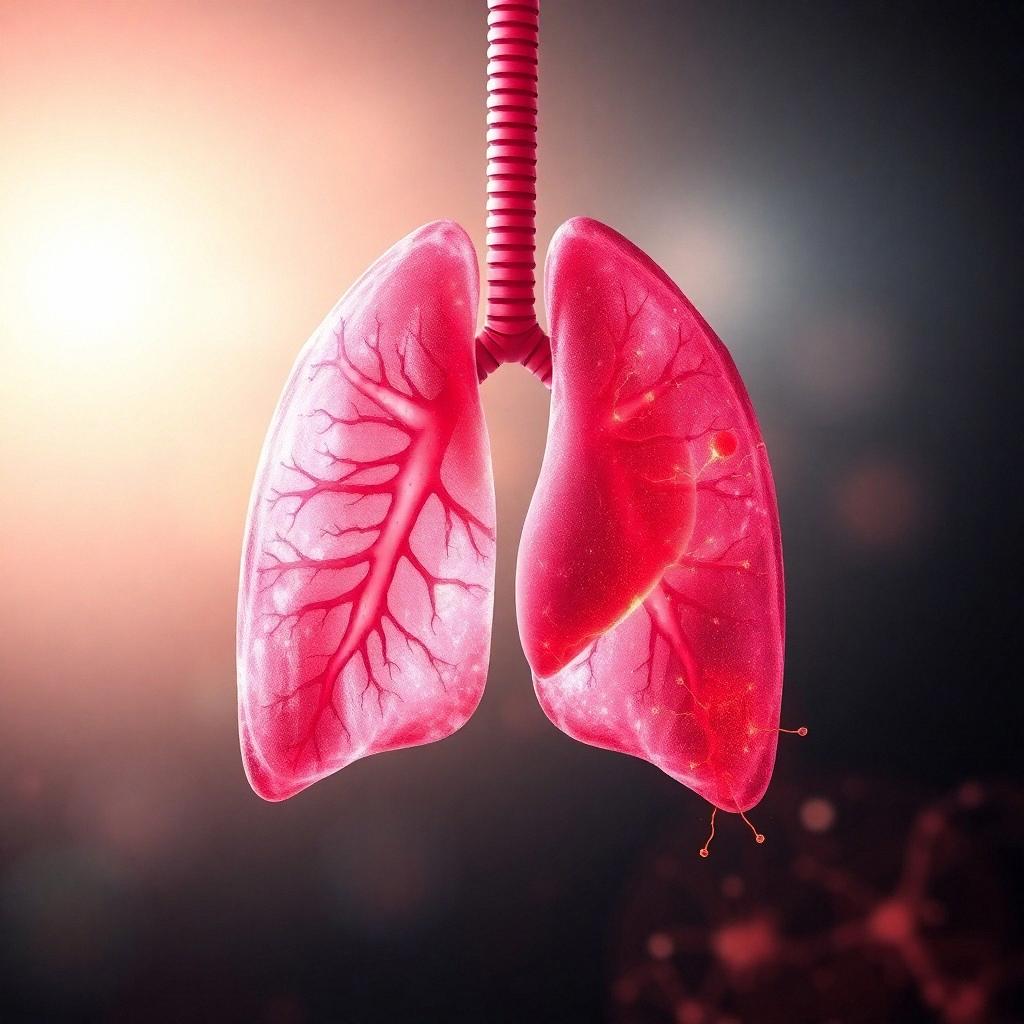
    Paper Review: Fibrotic lung-derived sphingosine-1-phosphate drives emotion-like disorders by regulating hippocampal neuroinflammation and cell death Science Art

     Science Movie


    Make a narrated HD Science movie for this answer ($32 per minute)


     Discussion


    Get Ahead With Science Insights

    Custom summaries of the latest cutting edge Science research. Every Friday. No Ads.


    My BGPT