Why BGPT?
logo

Review papers with raw data transparency

Quickly verify claims by accessing the underlying experimental data and figures.


Press Enter ↵ to solve


    Fuel Your Discoveries


     Quick Explanation


    Paper review (immunomodulatory MSC actions in lung disease)
    This narrative review argues that MSCs (and MSC-derived EVs/exosomes) alleviate lung diseases primarily by reprogramming innate and adaptive immunity—especially neutrophils, macrophages, T cells, and B cells—while also discussing translational barriers like MSC/Ev heterogeneity, safety concerns, and lack of standardized EV manufacturing/characterization.


     Long Explanation


    Mesenchymal stem cells for lung diseases: focus on immunomodulatory action — critical paper analysis
    Cell Death Discovery • DOI: 10.1038/s41420-025-02303-4
    Received 1 Jun 2024; revised 8 Jan 2025; accepted 15 Jan 2025; funding listed from Zhejiang/NSFC programs (no competing interests declared in the manuscript text).
    What the paper is (and what it is not)
    • Type: Narrative review synthesizing preclinical and early clinical context for MSCs/EVs in lung diseases, with mechanistic emphasis on immune regulation.
    • Primary evidence unit: The paper’s mechanistic claims are supported by citations to many in vitro and in vivo studies (species: humans as MSC sources; mice/rats for injury models), but the review itself does not provide pooled effect sizes or systematic risk-of-bias scoring across studies.
    Visual map of the paper’s mechanism thesis (text-derived)
    The paper’s central causal story
    • Inflammation/immune imbalance drives lung injury in ALI/ARDS and chronic fibrotic/allergic lung diseases; the review emphasizes pro-/anti-inflammatory cytokine imbalance and immune cell infiltration as key upstream features.
    • MSCs act mainly by immunomodulation—not by a single mechanism—targeting both innate and adaptive immunity.
    • Secreted MSC products (EVs/exosomes, soluble factors; apoptosis-derived effects) are repeatedly used to explain immune reprogramming: examples include NET suppression, macrophage polarization/“M1→M2” shifts, and T/B cell inhibitory effects.
    • Translational challenge loop: MSC/EV heterogeneity, safety risks (including tumorigenicity concerns and thromboembolism reported in at least one referenced phase I/IIa context), low cell survival after administration, and lack of standardized EV production/characterization/storage are emphasized.
    Innate immunity: what the review claims MSCs modulate
    Neutrophils (ALI/ARDS emphasis)
    • MSC effects on neutrophil trafficking and oxidative/inflammatory output are summarized as inhibition of migration/infiltration and reduction of neutrophil oxidative stress/pro-inflammatory cytokines, with increased IL-10 and reduced lung injury signals.
    • NETs (neutrophil extracellular traps): the review frames NETs as amplifiers of lung inflammation and notes MSC soluble factors/EVs can suppress NET formation (including an exosomal miRNA mechanism involving TLR-4/ROS/MAPK).
    Macrophages (polarization, inflammasomes, autophagy/mitochondria)
    • Reduction in pro-inflammatory macrophage programs is presented as a dominant axis: decreased macrophage infiltration and pro-inflammatory cytokines, increased anti-inflammatory factors, improved phagocytic function, and improved tissue damage outcomes.
    • M1/M2 framing: the review uses classical M1/M2 polarization language as a treatment-relevant target, citing mechanisms that shift macrophage phenotype and metabolism (including PD-1/PD-L1 interactions from apoptotic MSC bodies).
    • Inflammasome and autophagy control: the review specifically highlights NLRP3/NLRC4 inflammasome inhibition and autophagy regulation (PI3K/Akt/HO-1, miRNA delivery) as part of its macrophage mechanism map.
    • Mitochondrial transfer: the review cites MSC-EV transfer of mitochondrial components to alveolar macrophages to improve mitochondrial integrity and immune homeostasis.
    Eosinophils & ILC2 (asthma bias)
    • MSC/EVs reduce eosinophil numbers and allergic airway inflammation/remodeling in asthmatic mouse contexts.
    • ILC2 modulation via EV-delivered miRNA is highlighted (miR-146a-5p delivering effects on ILC2 levels, inflammatory infiltration, and airway hyperreactivity).
    Adaptive immunity: what the review claims MSCs modulate
    T cells: Th17/Treg balance + CD8 recruitment axes
    • Th17/Treg balance is framed as critical to lung injury progression, and the review claims MSCs promote Treg phenotype and reduce Th17 cytokines (e.g., IL-17/IL-22), improving lung disease outcomes.
    • TGF-β/Treg functions are described as part of tissue repair and neutrophil apoptosis promotion.
    • CD8+ T cell roles in fibrosis: the review includes evidence that CD8 invasion and pro-inflammatory cytokines can drive pulmonary fibrosis in mouse contexts and that MSCs can reduce CD8 chemotaxis/invasion and modulate PD-1/PD-L1 pathway associations.
    B cells: antigen presentation + chemokine homing + Ig outputs
    • MSC inhibition of B cell proliferation/plasma differentiation and reduced immunoglobulin production (IgM/IgG) is described as a recurring theme.
    • Chemokine axes (e.g., CCL4 and CXCL13) are used to explain reduced recruitment/homing and downstream neutrophil entry or altered B cell dynamics.
    • Toll-like receptor / CpG sensor downregulation is also described as a mechanism for suppressing CpG-driven B cell stimulation by amniotic MSCs.
    Challenges for MSC therapy in lung diseases (as the paper presents them)
    • Heterogeneity: MSC properties vary with donor age, tissue source, culture conditions, seeding density, oxygen tension, serum/growth factor media composition, and passage number; the review argues this complicates identity/potency qualification and clinical standardization.
    • Safety: risks include immunocompatibility, tumorigenicity, and microvascular occlusion; the review mentions that apoptosis/autophagy can occur rapidly after systemic or intratracheal administration, limiting survival and efficacy, and it includes an example pulmonary embolism signal in a referenced phase I/IIa MSC context.
    • EV product engineering/standardization gap: MSC-EVs may be more biocompatible and easier to store than cells, but clinical translation is limited by lack of standardized EV separation/characterization/storage and large-scale manufacturing/extraction.
    • Route/dose uncertainty: optimal administration route and dose remain unclear for different diseases, and the review ties this to low survival and extraction standardization problems.
    Skeptical critique: what is strong vs uncertain
    Strengths
    • Mechanistic breadth across immune compartments: the review maps innate and adaptive immune targets and repeatedly connects outcomes to cytokines, polarization/metabolism, and EV cargo-like mechanisms.
    • Explicit recognition of translational hurdles: rather than only promoting efficacy, it lists heterogeneity and EV standardization gaps and safety uncertainties.
    Uncertainties / potential blind spots (from what’s visible in the provided text)
    • Many mechanistic claims rest on heterogeneous preclinical model designs (different injury etiologies such as bleomycin, LPS, toxin/overload, and asthma sensitization). The review does not provide a structured comparison of model-to-model generalizability, so “immune modulation” may be a common downstream effect rather than a shared upstream cause across diseases.
    • “M1/M2” language can oversimplify macrophage biology. The review uses classical polarization framing and metabolic reprogramming, which is useful for synthesis but may mask macrophage state continuum and context-dependent functions. (This is a conceptual critique; the review acknowledges complexity only indirectly via mechanistic variety.)
    • EV cargo specificity vs “EV mixture” problem: multiple miRNAs and pathways are listed; however, the review does not quantify how consistent these signatures are across EV preparations or donors, nor does it address the likelihood that different EV fractions contribute differently. This is particularly relevant because the paper itself highlights EV standardization challenges.
    • Translation gap remains large: the review notes most lung indications are phase I/II with no large-scale phase III trials. That means claims about clinical efficacy and dosing are necessarily extrapolated from preclinical studies and early-phase evidence.
    Paper-specific evidence-to-claim check (mechanism-level)
    How to potentially falsify the paper’s central mechanistic theme (what would disconfirm it)
    • If MSCs/EVs fail to modulate neutrophil/macro/T/B cell functional readouts in relevant lung injury contexts and fail to improve lung outcomes, the “immunomodulation is key” premise weakens.
    • If EV preparations show inconsistent or non-replicable miRNA/pathway effects due to EV isolation/characterization differences, then some “cargo-specific” mechanistic attributions may be unreliable as general causal drivers—especially given the review’s stated standardization limitations.


    Feedback:   

    Updated: April 08, 2026

    BGPT Paper Review


    Study Novelty

    60%

    The review is novel mainly in its specific emphasis on immunomodulatory action across innate and adaptive immune cells in lung diseases, but it largely synthesizes established MSC/EV immunology themes rather than introducing a clearly new mechanism or new dataset.


    Scientific Quality

    70%

    Strengths include clear mechanistic compartmentalization and candid discussion of translational hurdles. Major limitations for scientific quality are the narrative (non-systematic) nature in the provided text and the lack of structured bias assessment/pooling, which makes it harder to judge how consistent the cited immune-causal mechanisms are across models and EV preparations.


    Study Generality

    70%

    It targets a broad set of lung diseases (ALI/ARDS, PF/IPF, asthma, and others named) and covers multiple immune cell types, making it useful as a unifying immunology map; however, generality is limited by model heterogeneity and the reliance on multiple disparate preclinical contexts.


    Study Usefulness

    70%

    High utility for researchers who want a fast, mechanism-oriented checklist of immune-cell targets and example EV/miRNA pathway directions, plus a concise set of translational bottlenecks. Utility is reduced by the narrative nature and by not offering quantitative cross-study synthesis.


    Study Reproducibility

    60%

    Because it is a narrative review, reproducibility depends on the transparency of its literature search and the ability to reproduce the same mechanistic interpretations from the underlying studies. The provided text emphasizes heterogeneity and standardization gaps, which also implies that even mechanistic “reproducing” may be difficult across EV/MSC preparations.


    Explanatory Depth

    80%

    The review provides layered mechanistic depth: it connects lung injury immunobiology to specific immune cell targets and gives multiple example mechanistic pathways including ROS/NF-κB, inflammasome and autophagy axes, EV miRNA cargo narratives, mitochondrial transfer, and PD-1/PD-L1-linked metabolic reprogramming.


    🎁 Authors: Collect 197 Free Science Tokens (≈ $19.7 USD)

    Claim My Author Tokens

    Use for 49 days of free BGPT access (4 tokens = 1 day) or trade/sell (≈ $19.7 USD)

     Top Data Sources ExportMCP


     Analysis Wizard


    No bioinformatics code is required here because the provided paper content is narrative and lacks raw, analyzable tables/sequence datasets; the code would not add verifiable value beyond summarization.


     Hypothesis Graveyard


    “MSC efficacy is primarily due to long-term engraftment and direct tissue replacement.” This is less supported in the review’s own challenge framing, which emphasizes low survival and apoptosis/autophagy after administration and positions secretomes/EVs as core mechanisms.


    “NET suppression is the single most important causal event across lung diseases.” The review offers NET suppression as a promising mechanism but also builds a multi-cell, multi-pathway case (macrophages, Treg/Th17, B cells, ILC2), making a single-cause explanation unlikely.

     Science Art


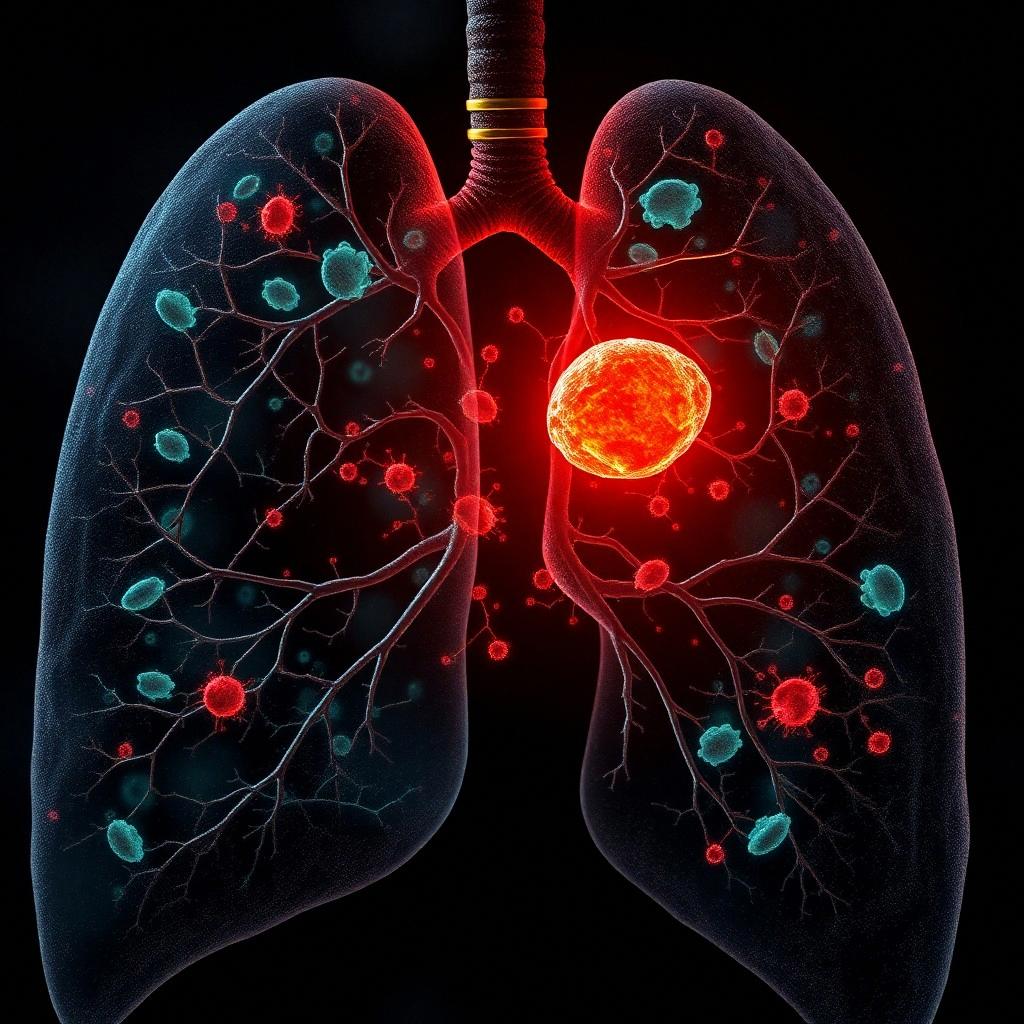
    Paper Review: Mesenchymal stem cells for lung diseases: focus on immunomodulatory action Science Art

     Science Movie


    Make a narrated HD Science movie for this answer ($32 per minute)


     Discussion


    Get Ahead With Science Insights

    Custom summaries of the latest cutting edge Science research. Every Friday. No Ads.


    My BGPT