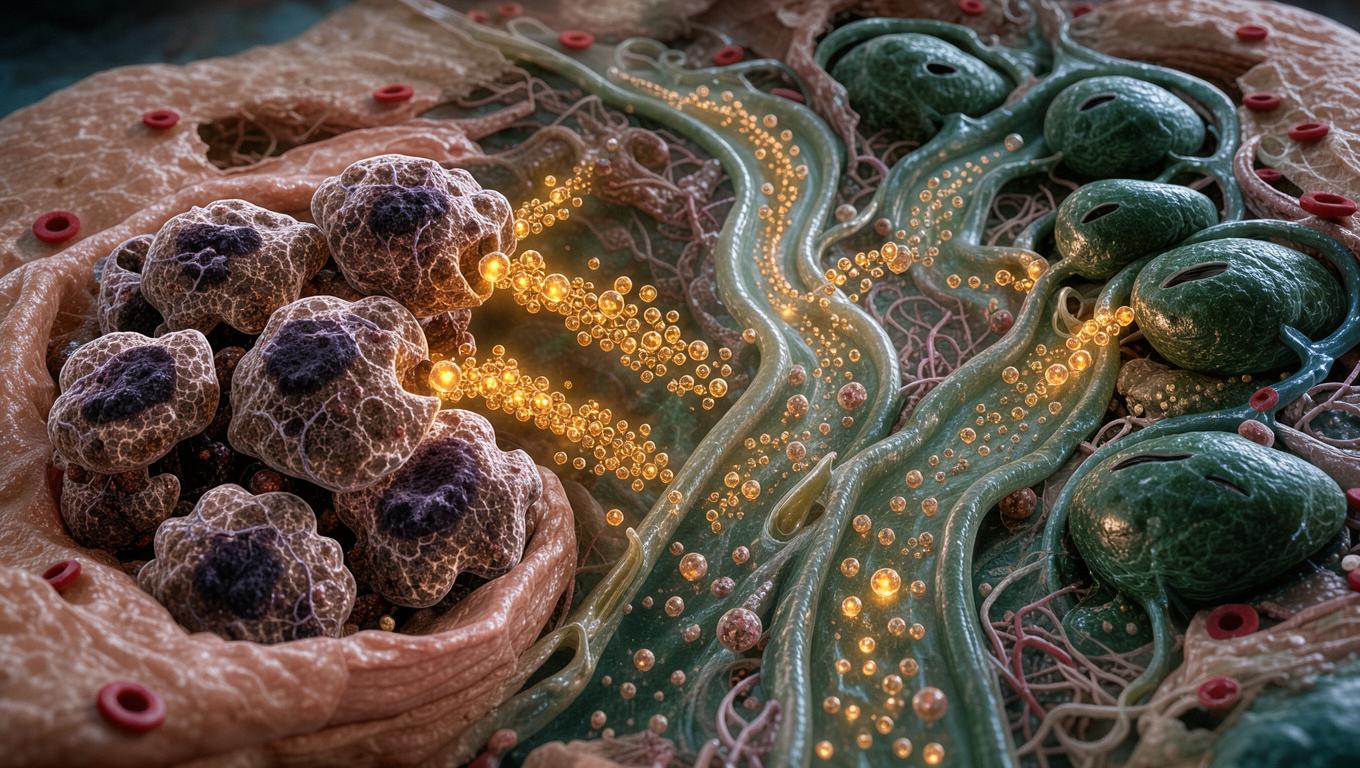
Hoshino and Lyden summarize Olmeda et al. (Nature 546:676β680, 2017): engineered mouse melanomas expressing Vegfr3-driven luciferase revealed that local, tumor-adjacent lymphangiogenesis occurs independently of lymphangiogenesis at distant sites, and that distant metastasis does not correlate with intra-tumoral VEGFC . The key novel mediator identified is MIDKINE (MDK): overexpression converted a non-lymphangiogenic, low-metastatic melanoma into a systemic lymphangiogenesis driver, while MDK knockdown drastically inhibited lymphangiogenesis and metastases. MDK activates mTOR in lymphatic endothelial cells and enhances tumor-cell adhesion to LECs . Clinically, high MDK in lymph nodes associated with poor prognosis even without tumor cells present β proposed as a metastatic-risk biomarker.
Falsification would require: MDK overexpression failing to drive metastasis across independent models, mTOR inhibition in LECs not ablating MDK-induced lymphangiogenesis, or larger human cohorts refuting the MDKβprognosis association. Later work on LEC heterogeneity and node-intrinsic immune susceptibility suggests the niche concept has since deepened, but this commentary cannot confirm post-2017 validation.
Know what changed, what holds up, and what remains uncertain. Every Friday. No ads.