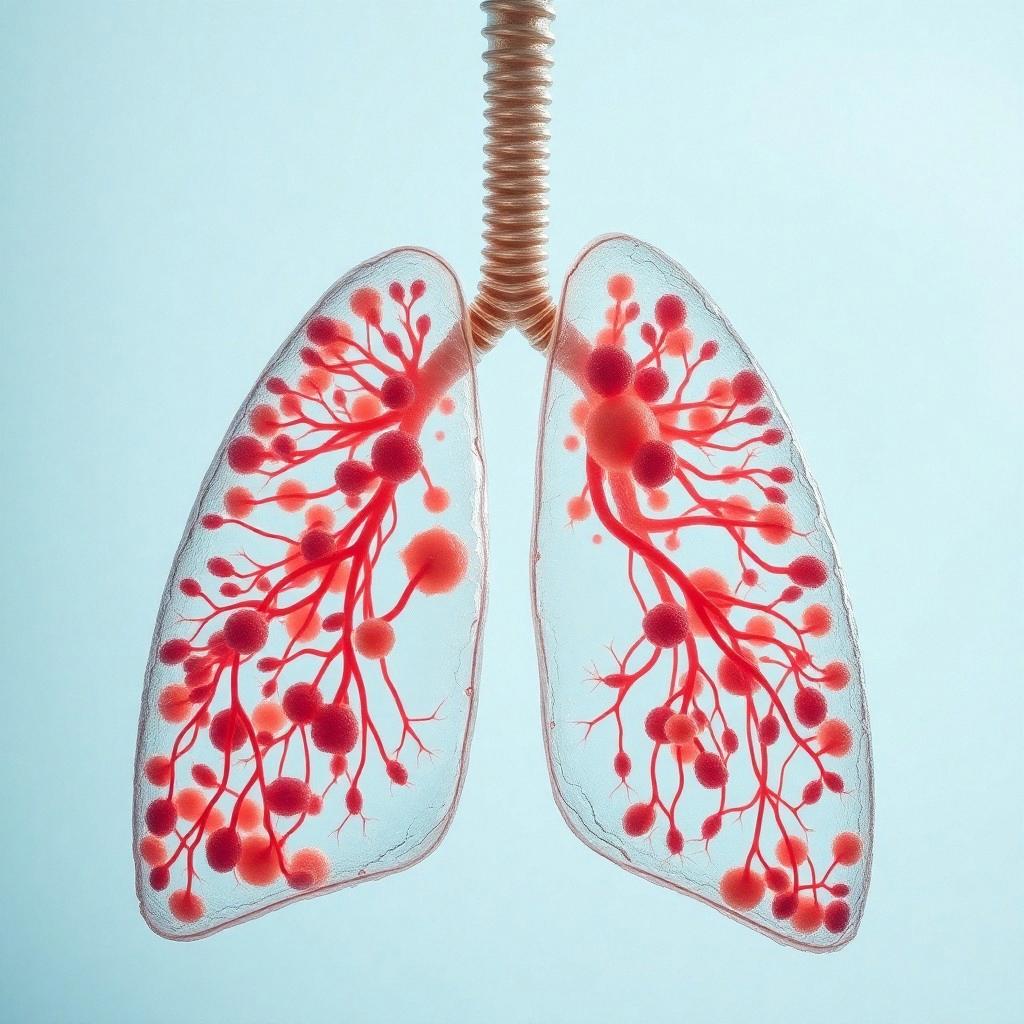
Figure: conceptual, based on multiple studies summarized in the paper (oral taxa enrichment in lower airways; Proteobacteria signal in tissue). See text citations for evidence and limitations.
The authors note: inconsistent alpha/beta diversity results across studies, variable taxa associated with cancer depending on sample type, and limited mechanistic causality β all supported by the lung-microbiome literature.
| Metric | Score | Rationale (short) |
|---|---|---|
| paper_novelty | 7 | Synthesis integrates multi-kingdom 2020β2025 findings and mechanistic murine evidenceβsolid but incremental. |
| paper_quality | 8 | Clear, balanced review; acknowledges key biases; no primary data so quality judged on synthesis accuracy and criticality. |
| paper_generality | 8 | Broad relevance across lung disease, cancer subtypes, and immunotherapy contexts. |
| paper_usefulness | 8 | Actionable recommendations for study standardization, multi-omics, and mechanistic work. |
| paper_reproducibility | 6 | Review lists data availability claims, but field reproducibility limited by primary-study heterogeneity and low-biomass artifacts. |
| explanatory_depth | 6 | Good conceptual mechanisms (immune modulation, metabolites) but causal depth limited by available primary evidence. |
Repeated oral-taxa enrichment of lower-airway samples in lung cancer suggests a common route (microaspiration/oral-lung axis) that may influence tumour biology by chronically exposing airway epithelium to microbial ligands/metabolites; the critical experimental test is whether such exposures alter epithelial oncogenic signalling or the immune microenvironment before frank cancer appears β not yet proven but experimentally tractable.
Add a reproducible, tabulated meta-analysis of taxa reported across studies with standardized effect-size metrics, and a practical lab/control checklist for low-biomass respiratory microbiome work.
Custom summaries of the latest cutting edge Science research. Every Friday. No Ads.