Why BGPT?
logo

Review papers with raw data transparency

Quickly verify claims by accessing the underlying experimental data and figures.


Press Enter ↵ to solve


    Fuel Your Discoveries


     Quick Explanation


    Bottom-line critique (one sentence): The review (10.3390/life15040593) is a well-referenced, up-to-date narrative synthesis that usefully maps mechanisms (SCFAs, kynurenine, vagus/HPA, inflammation) and clinical interventions (diet, pre/probiotics, FMT) for mood disorders, but remains limited by narrative format, heterogeneous evidence, and few large, definitive clinical trials—so its clinical prescriptions are hypothesis-generating rather than practice-changing


     Long Explanation


    Visual paper analysis — Gut Microbiota: A New Challenge in Mood Disorder Research (10.3390/life15040593)

    Concise evidence synthesis (visual → text)

    • Mechanistic preclinical support: Germ-free, antibiotic-depletion and FMT rodent models causally link microbiota changes to depression-like phenotypes and hippocampal inflammation (e.g., CUMS-FMT, LPS models)
    • Human RCT signals: Small RCTs show strain- and context-dependent antidepressant or cognitive effects (e.g., B. longum NCC3001 in IBS reduced depressive scores and amygdala reactivity)
    • Aggregate human evidence: Systematic reviews/meta-analyses find inconsistent α-diversity differences but reproducible β-diversity / taxon shifts across MDD/BD/SSD studies, with heterogeneity from geography, meds, and methods

    Critical appraisal — strengths and limitations

    Strengths

    • Comprehensive: integrates mechanistic (SCFAs, kynurenine, vagus/HPA), translational animal FMT studies, and clinical RCTs/meta-analyses
    • Practical translational roadmap: discusses diet, prebiotics, psychobiotics, and FMT with candid note of trial heterogeneity (useful for trial design)

    Limitations / Blindspots

    • Narrative review: no formal systematic search or meta-analytic quantification—risk of selection bias and variable evidence weighting (authors acknowledge heterogeneity)
    • Over-optimistic translational tone in parts: clinical RCTs are small, often industry-funded or single-center, with inconsistent endpoints and short follow-up (limits clinical generalizability)
    • Mechanistic leaps: detailed causal pathways (e.g., specific taxa → kynurenine flux → depression) are plausible but not yet proven in large human cohorts; needs biomarker–outcome mediation tests

    Where the review is right (evidence-backed claims)

    1. Gut-derived metabolites (SCFAs) modulate immunity, BBB, and microglia — strong preclinical support and mechanistic literature summarized in the review
    2. FMT and FMT→behavior in rodents demonstrates causal potential; human FMT evidence is preliminary and context-limited (IBS, ASD case series; MDD pilot trials ongoing)
    3. Probiotic RCTs show strain-specific, modest effects (often adjunctive); heterogeneity explains inconsistent meta-analytic results

    Where I disagree or urge caution

    • Do not equate association with clinical efficacy — the review sometimes implies clinical potential before large-scale replication (authors do warn, but narrative language can be read as stronger than evidence warrants).
    • Missing formal bias-risk mapping — listing trial sizes, funding sources, and risk-of-bias (blinding, allocation concealment) in a table would improve reproducibility and practical guidance.
    • Personalization claims need infrastructure: translating individualized microbiome signatures into treatment requires validated biomarkers and prospective stratified trials (not yet available)

    Actionable recommendations for researchers (concise)

    1. Register and harmonize protocols (pre-define strains, doses, duration, outcomes, and microbiome pipelines) and publish negative results.
    2. Run adequately powered, multi-center RCTs with nested mechanistic endpoints (blood/CSF kynurenines, SCFAs, fMRI, vagal tone) and pre-specified mediation analysis.
    3. Create open-data, standardized microbiome/metabolome repositories to enable meta- and mega-analyses that adjust for diet, meds, geography, and host genetics.

    Concrete reproducibility checklist (to include in future reviews/ trials)

    • Raw sequencing data deposition (FASTQ), exact DNA extraction kit, primers (V-region), sequencing platform and version, analysis pipeline (QIIME2/DADA2 versions), taxonomic database (SILVA/Greengenes) — none of which are standardized across many cited studies.
    • Pre-specify primary clinical endpoint (clinician-rated scale), minimal clinically important difference, sample size calculation, and registered analysis plan.
    • Report adverse events rigorously for FMT/probiotic interventions and include donor screening SOPs for FMT.

    Quantitative paper scores (authoritative, critical)

    Paper novelty: 7/10
    Integrates recent preclinical-to-clinical threads (2020–2024) but builds on established gut–brain literature
    Paper quality: 8/10
    Careful referencing, broad coverage; primary weakness is narrative (no PRISMA/meta-analysis)
    Generality: 8/10
    Broad conceptual reach across MDD/BD, mechanisms, and interventions
    Usefulness: 8/10
    Valuable roadmap for future trials and mechanistic endpoints
    Reproducibility: 6/10
    Dependent on heterogenous cited studies; review lacks systematic methods
    Explanatory depth: 7/10
    Good mechanistic coverage (kynurenine, SCFAs, vagus) but human causal links remain provisional

    What would disprove the central thesis?

    If multiple, large (

    Suggested immediate next experiments (high-yield)

    1. Randomized, stratified (baseline microbiome signature), multi-center trial of a single well-characterized probiotic strain (e.g., L. plantarum or B. breve CCFM1025) as adjunct to SSRI in TRD with pre-registered metabolic (kynurenine, SCFAs), inflammatory (IL-6, CRP), and neuroimaging endpoints (amygdala connectivity) — powered for clinical remission and mediation by metabolite change.
    2. Mechanistic human challenge: short-term, tightly-controlled diet + prebiotic intervention vs placebo in healthy volunteers with experimental acute stress, measuring vagal tone, cortisol, SCFAs, and fMRI limbic response to emotional faces—testing fast physiologic pathways less confounded by chronic disease.

    Key citations from the review and supporting literature (selected)

    If you want, I can:
    • Run a reproducible evidence table (extract trial sizes, strain, dose, effect sizes) into a downloadable CSV and forest-plot.
    • Design an RCT protocol (sample size, endpoints, biomarkers) for a psychobiotic adjunct in TRD with pre-registered mediation plan.


    Feedback:   

    Updated: March 10, 2026

    BGPT Paper Review


    Study Novelty

    70%

    The paper synthesizes recent (up to 2024) mechanistic and clinical evidence into a cohesive narrative; novelty is moderate-high because it brings BD-focused microbiome data together with translational interventions, but it builds on an established literature base.


    Scientific Quality

    80%

    Careful citation of primary mechanistic and clinical studies, up-to-date references, balanced discussion; main scientific weakness is narrative (not systematic) methodology which leaves room for selection bias and heterogeneity in evidence weighting.


    Study Generality

    80%

    Covers both major depressive disorder and bipolar disorder, multiple mechanisms (SCFAs, kynurenine, vagus/HPA), and multiple interventions—useful across psychiatry and neurogastroenterology.


    Study Usefulness

    80%

    Useful as a roadmap for trial design and for interdisciplinary researchers planning mechanistic and clinical studies, though it does not provide definitive clinical guidance.


    Study Reproducibility

    60%

    As a narrative review, reproducibility depends on underlying studies, many of which use heterogeneous microbiome methods and small clinical samples; reproducibility of the review's conclusions therefore is limited until larger standardized datasets/registries are available.


    Explanatory Depth

    70%

    Good mechanistic coverage (kynurenine, SCFAs, cytokines, vagus/HPA) and links to behavior; falls short of mechanistic causal proof in humans — depth is strong conceptually but limited by human data.


    🎁 Authors: Collect 301 Free Science Tokens (≈ $30.1 USD)

    Claim My Author Tokens

    Use for 75 days of free BGPT access (4 tokens = 1 day) or trade/sell (≈ $30.1 USD)

     Top Data Sources ExportMCP


     Analysis Wizard


    Parsing trial metadata and 16S/metadata from cited studies to produce a harmonized CSV of trial sample sizes, strains, doses, endpoints and effect sizes to enable meta-analysis and forest-plot generation.


     Hypothesis Graveyard


    Universal probiotic cure: the idea that any multi-strain probiotic will reliably treat all forms of depression is falsified by heterogeneous RCT results and strain-specific effects.


    Simple alpha-diversity marker: the notion that low alpha-diversity alone is a diagnostic biomarker for depression is implausible because meta-analyses show inconsistent alpha-diversity differences across cohorts.

     Science Art


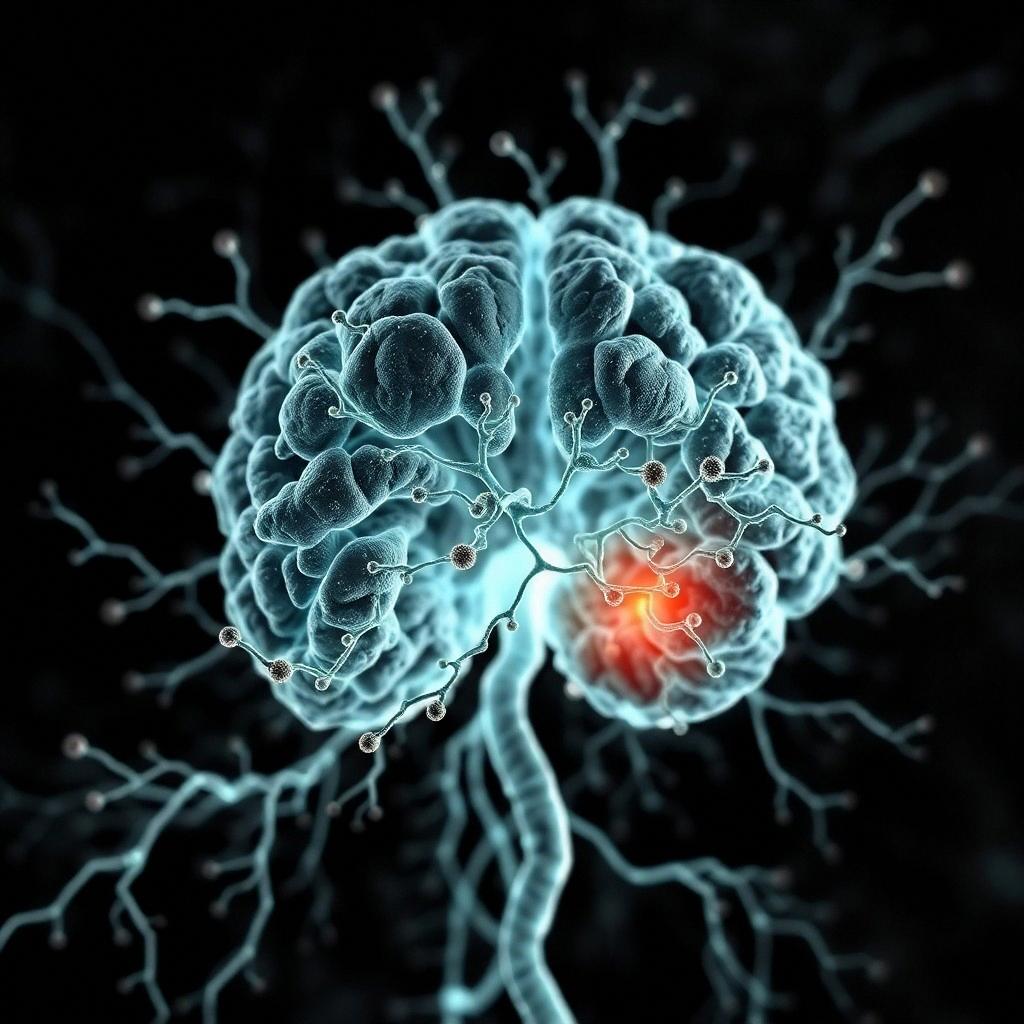
    Paper Review: Gut Microbiota: A New Challenge in Mood Disorder Research Science Art

     Science Movie


    Make a narrated HD Science movie for this answer ($32 per minute)


     Discussion


    Get Ahead With Science Insights

    Custom summaries of the latest cutting edge Science research. Every Friday. No Ads.


    My BGPT