Why BGPT?
logo

Review Papers Against Their Own Results

Check whether claims match experiments, exact reported results, and stated limitations.Know what the science actually supports before you trust the answer.

Press Enter ↡ to review paper


     Quick Explanation


    This landmark 2003 study showed uniform NOD2 expression in ileal and metaplastic colonic Paneth cells across CD, UC, and control specimens (55 specimens from 33 individuals), providing a plausible mechanistic link between NOD2 mutations and ileal-predominant Crohn's disease via impaired bacterial sensing adjacent to antimicrobial granules.


     Long Explanation


    Core Findings and Evidence

    Ogura et al. stained 55 ileal and colonic specimens from 21 Crohn's disease (CD) patients, 7 ulcerative colitis (UC) patients, and 5 non-IBD controls using a monoclonal antibody against NOD2 developed in-house. They found uniform NOD2 expression in terminal ileum Paneth cells and in metaplastic colonic Paneth cells across all groups, with cytosolic localization adjacent to antimicrobial peptide granules, and minimal expression in villous or colonic epithelium. Laser-capture (

    Feedback:    

    Updated: October 25, 2026


     BGPT Paper Review


    Study Novelty

    90%

    At publication (2003), connecting the newly discovered CD-risk gene NOD2 to Paneth cell biology was groundbreaking; it spawned the entire field of Paneth cell–microbiota research in ileal CD.


    Scientific Quality

    70%

    Robust descriptive immunohistochemistry with mRNA corroboration and appropriate multi-diagnosis controls; no blinding reported, antibody validated only in-house, and mechanistic claims exceed direct evidence.


    Study Generality

    70%

    Advances general understanding of innate immune sensing at mucosal surfaces beyond CD, though the dataset is tissue-localization specific.


    Study Usefulness

    90%

    Highly influential: redirected NOD2 research toward epithelial innate immunity and Paneth cell–microbiota interactions; the hypothesis was subsequently validated in knockout models.


    Study Reproducibility

    60%

    Methods (immunoperoxidase staining, crypt purification) are describable, but the in-house monoclonal antibody limits independent replication; no blinding or quantitative scoring reported.


    Explanatory Depth

    60%

    Provides a coherent positional mechanism for ileal specificity but not a complete causal chain; depth was realized only with later mouse-model work.


    🎁 Authors: Collect 285 Free Science Tokens (β‰ˆ $28.5 USD)

    Claim My Author Tokens

    Use for 71 days of free BGPT access (4 tokens = 1 day) or trade/sell (β‰ˆ $28.5 USD)

     Top Data Sources ExportMCP


     Hypothesis Graveyard


    NOD2 acts as a pro-inflammatory amplifier in macrophages driving CD β€” superseded because the ileal specificity and Paneth cell localization cannot be explained by macrophage-expressed NOD2.


    NOD2 mutations cause disease solely by loss of microbial sensing β€” incomplete, since NOD2 also shapes the microbiome composition itself, making genotype–microbiota confounding possible.

     Science Art


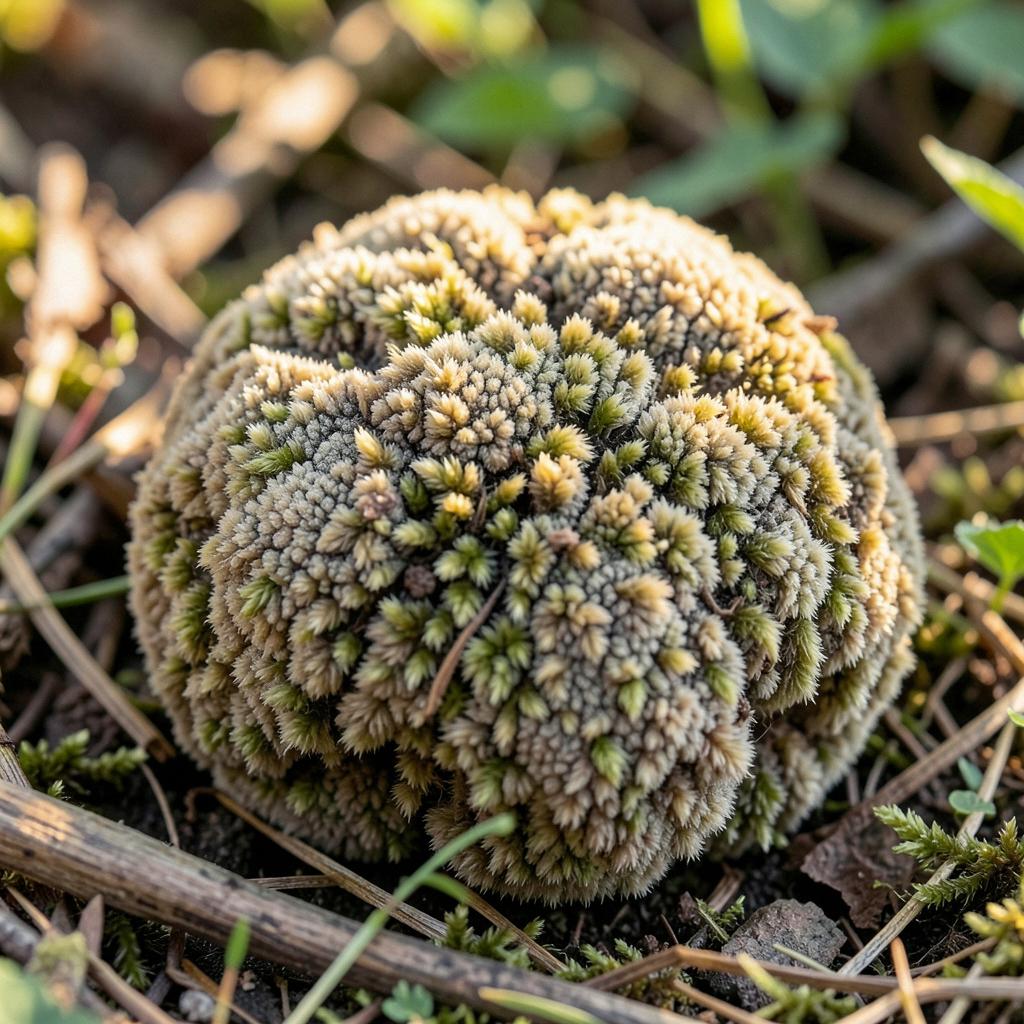
    Paper Review: Expression of NOD2 in Paneth cells: a possible link to Crohn’s ileitis Science Art

     Science Movie


    Make a narrated HD Science movie for this answer ($32 per minute)


     Discussion


    Stay current without chasing every paper.

    Know what changed, what holds up, and what remains uncertain. Every Friday. No ads.


    My BGPT