Why BGPT?
logo

Review papers with raw data transparency

Quickly verify claims by accessing the underlying experimental data and figures.


Press Enter ↡ to solve


    Fuel Your Discoveries


     Quick Explanation


    Concise critique of Dinan et al. 2017 (Cross Talk)

    The review is a thoughtful, well-referenced early synthesis arguing that gut microbiota can influence neurodevelopmental domains relevant to ASD and schizophrenia via immune, metabolic, BBB/microglial, and neurotransmitter pathways β€” an important framing piece that correctly highlights preclinical mechanistic promise but also correctly cautions that human causal evidence is still limited and heterogeneous ()


     Long Explanation


    Visual paper analysis β€” Dinan et al., 2017: Cross Talk: The Microbiota and Neurodevelopmental Disorders

    High-level visual summary (figure)

    Graph: qualitative weighting of mechanistic topics emphasized in the review (based on number & depth of citations and discussion in the text) β€” immune signaling and microglia are most emphasized; behavioral/large-scale clinical evidence is weaker.

    What the paper does well

    • Comprehensive, interdisciplinary synthesis integrating microbiology, immunology and neurodevelopmental neuroscience ().
    • Rightly highlights mechanistic paths with experimental support (GF mouse microglia work; SCFA and BBB data) β€” e.g. Erny et al. showed microbiota controls microglial maturation ().
    • Appropriate translational caution: calls for large, longitudinal, mechanistic human trials and dimensional/stratified psychiatry approaches rather than simplistic one-size-fits-all claims ().

    Main scientific criticisms (concise)

    1. Over-reliance on small, cross-sectional clinical studies: most human evidence cited is correlative and underpowered; the paper notes heterogeneity and the inability to claim causality ().
    2. Translation gap from animals to humans underemphasized: GF and MIA models are powerful but differ from human developmental complexity; subsequent high-quality reviews emphasize this translational caution ().
    3. Insufficient discussion of confounders: diet, medication (esp. antipsychotics), urbanicity, and birth mode β€” all of which the paper mentions but could have used stronger critical appraisal given their large effect sizes on microbiota ().
    4. Risk of overinterpreting SCFA data: preclinical supra-physiological SCFA exposures (e.g., propionic acid models) can produce behavioral effects, but physiological relevance and directionality in humans is unclear ().

    Evidence map (interactive-ready small figures)

    This 2-track plot visually contrasts mechanistic preclinical strength vs clinical evidence weakness β€” which is the main practical message.

    Concrete blindspots & how to fix them (actionable)

    1. Standardize and pre-register large longitudinal cohorts (prenatal to early childhood) collecting maternal diet, meds, delivery, antibiotics, repeated microbiome, metabolome (SCFAs, tryptophan/kynurenine), immune panels, imaging and behavioral phenotypes. Dinan et al. call for longitudinal trials β€” implement precisely ().
    2. Use humanized FMT and controlled donor-selection RCTs with sham controls and rigorous endpoints (neuroimaging, inflammatory biomarkers, metabolomics) to test causality β€” follow Hsiao (2013) and recent rigorous MIA/probiotic work for design cues ().
    3. Map microbial metabolites to mechanistic pathways in human fetal/infant systems (tryptophan/kynurenine, SCFAs, peptidoglycan) with functional assays on human organoids and BBB models β€” the review points to PGN and kynurenine as promising signals ().

    Where the paper sits in current literature (selected corroborating sources)

    • Comprehensive physiology review that expanded mechanistic depth after 2017: Cryan et al., (Microbiota-Gut-Brain Axis) β€” stresses translational gaps ().
    • Direct preclinical mechanistic support for microglial maturation control by microbiota: Erny et al., Nat Neurosci 2015 ().
    • Translational example (small open-label FMT improving ASD symptoms) discussed by Dinan et al. is promising but preliminary β€” Kang et al. 2017 reported improvements but lacked randomized controls ().

    Specific reproducibility & bias checklist (practical)

    • Always record diet (validated food frequency), medications (antibiotics, antipsychotics), delivery mode, and household/urbanicity covariates in human cohorts ().
    • Prefer shotgun metagenomics + metabolomics to 16S alone for mechanistic inference; deposit raw reads and metadata in public repos (SRA/ENA) with full methods for reproducibility β€” later multi-omics papers (2025–2026) set this standard ().

    Conclusions β€” balanced, evidence-weighted

    Dinan et al. (2017) correctly synthesized mechanistic preclinical data and early human signals linking gut microbiota to neurodevelopmental domains; their call for longitudinal, mechanistic human trials remains the central unmet requirement. Mechanistic pathways (immune β†’ microglia, metabolites β†’ BBB & epigenetics, tryptophan/kynurenine, vagus-mediated neuronal routes) are supported by robust preclinical work but clinical causality remains unproven. The paper is valuable historically as a field-shaping review but readers must avoid overinterpreting preliminary clinical correlations as established causal pathways ().


    Key supporting citations used in this analysis:


    Feedback:   

    Updated: March 13, 2026

    BGPT Paper Review


    Study Novelty

    80%

    The review (2017) synthesized emerging microbiota–brain mechanisms and applied them to neurodevelopmental disorders (ASD, schizophrenia) at a time when the field was transitioning from isolated preclinical studies to translational thinking; novelty = 8 because it framed cross-disciplinary mechanistic pathways and translational roadmaps that were timely and influential.


    Scientific Quality

    70%

    Quality is good for a narrative review: wide literature coverage, mechanistic integration, and appropriate caution. Limitations: narrative (not systematic), some clinical claims rely on small/heterogeneous studies, and it cannot resolve causality; funding and COI are reported but industry links in acknowledgments deserve careful transparencyβ€”none declared as conflicts.


    Study Generality

    70%

    The paper addresses broad mechanisms (immune, metabolites, vagal, BBB) that are generalizable across neurodevelopmental conditions, but concrete clinical generality is limited by small human studies and disorder heterogeneity.


    Study Usefulness

    70%

    Useful as a field-orienting synthesis for researchers designing mechanistic human trials or translational animal-to-human bridges; less directly actionable for clinicians given preliminary human evidence.


    Study Reproducibility

    40%

    As a narrative review, reproducibility of conclusions depends on underlying primary studies; many cited clinical datasets were heterogeneous and underpowered, reducing reproducibility of human claims; preclinical mechanisms are more reproducible.


    Explanatory Depth

    70%

    Provides substantial mechanistic depth (microglia, kynurenine, SCFAs, BBB, vagus) by integrating animal and molecular studies, but falls short of definitive causal models in humans.


    🎁 Authors: Collect 153 Free Science Tokens (β‰ˆ $15.3 USD)

    Claim My Author Tokens

    Use for 38 days of free BGPT access (4 tokens = 1 day) or trade/sell (β‰ˆ $15.3 USD)

     Top Data Sources ExportMCP


     Analysis Wizard


    Preparing reproducible meta-analysis: script will download cited microbiome/GWAS datasets (SRA/ENA), standardize metadata, compute effect sizes for taxa differences and generate forest plots for cross-study comparison.


     Hypothesis Graveyard


    Gut dysbiosis alone (any change in composition) as a universal cause of ASD β€” falsified by large heterogeneity and studies showing multiple healthy microbiome configurations; more plausible is dysbiosis affecting specific metabolites/signaling in susceptible windows.


    Single-probiotic cure-all hypothesis β€” rejected by inconsistent RCTs and strain-specific effects; mechanisms are multifactorial and depend on timing, host genetics, and ecology.

     Science Art


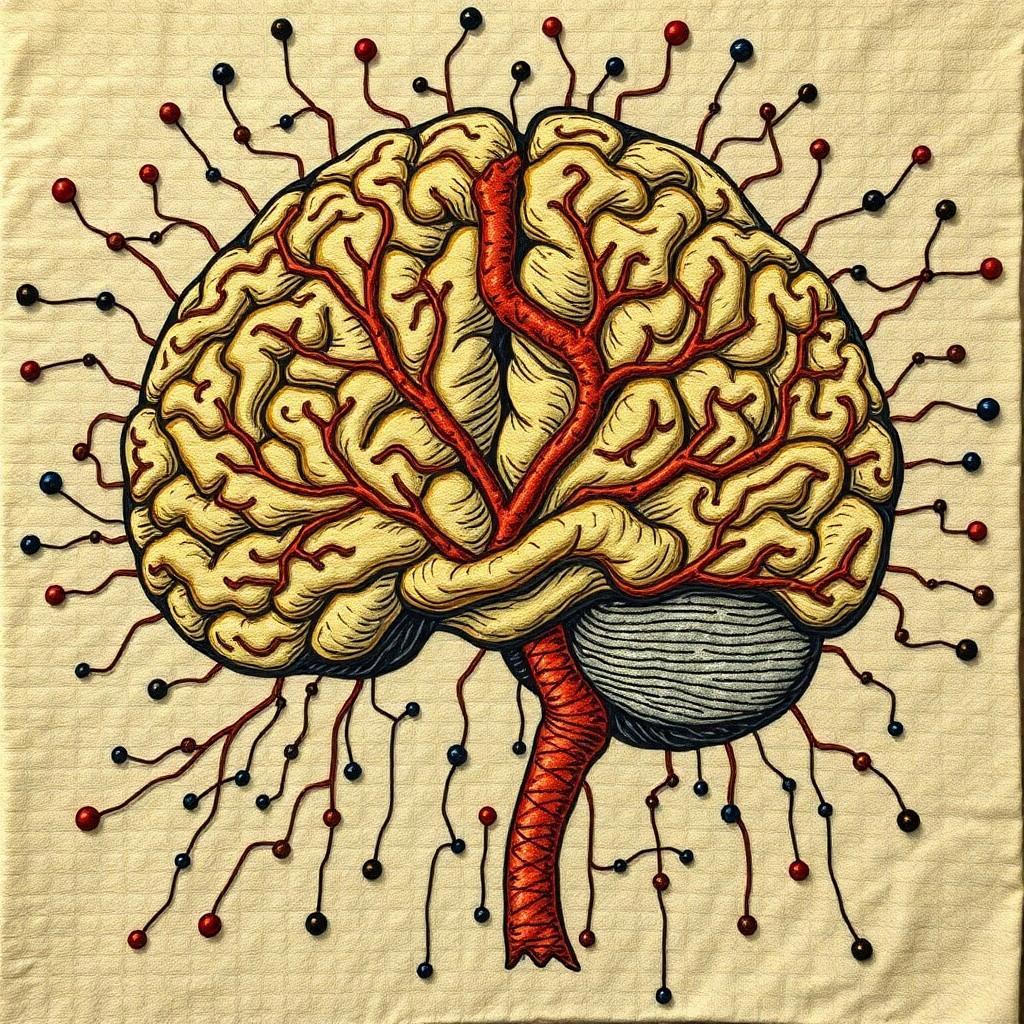
    Paper Review: Cross Talk: The Microbiota and Neurodevelopmental Disorders Science Art

     Science Movie


    Make a narrated HD Science movie for this answer ($32 per minute)


     Discussion


    Get Ahead With Science Insights

    Custom summaries of the latest cutting edge Science research. Every Friday. No Ads.


    My BGPT