Why BGPT?
logo

Review papers with raw data transparency

Quickly verify claims by accessing the underlying experimental data and figures.


Press Enter ↵ to solve


    Fuel Your Discoveries


     Quick Explanation


    Paper review (science-focused, critical)
    The review argues that intratumoral / tumor-associated bacteria can both promote and impair tumors, via mechanisms including DNA damage, innate/adaptive immune modulation, and metabolite-driven pathway changes, and it surveys bacterial / engineered-bacterial strategies for prevention, diagnosis, and therapy across CRC, breast, and pancreatic cancers. Evidence for specific taxa-to-mechanism links exists (e.g., Fusobacterium nucleatum and Enterotoxigenic Bacteroides fragilis), but the review’s narrative framing leaves key causality/selection/contamination and translational gaps under-addressed—especially because microbiome findings are often correlative and highly sensitive to sampling and analysis pipelines.
    Core mechanistic anchors cited by the review include: tumor-resident intracellular bacteria in humans (), and mechanistic cancer microbiome work in pancreatic cancer ().


     Long Explanation


    Paper: Bacteria-Based Roles in Solid Tumors: Potential for Prevention and Treatment
    Bibliographic anchor:
    What the review claims (structure-first)
    • TME definition and microbial presence: The review positions intratumoral microbial populations (and ECM, immune, tumor cells) as part of the tumor microenvironment, and claims bacteria can reside in tumor-associated niches including intracellular compartments.
    • Mechanisms of oncogenesis and progression: The review emphasizes DNA damage, oncogenic signaling, immune suppression/evasion, and bacterial metabolites as recurrent mechanistic themes. Mechanistic anchors include bacterial genotoxin activity (e.g., E. coli DNA damage in vivo) and inflammation-mediated oncogenic signaling such as ETBF/BFT→Wnt/β-catenin and NF-κB cascades
    • Cancer-type exemplars: CRC, breast, and pancreatic cancers are used as the main “worked examples,” with Fusobacterium nucleatum recurring as an immune-modulating driver in multiple contexts (including MDSC/myeloid recruitment claims).
    • Therapeutic directions: The review surveys (i) bacterial components/products with anti-tumor immune effects; (ii) tumor-targeting live bacteria as vectors for payloads; (iii) “destroy bacteria” strategies using antibiotics or phages; and (iv) bacteria as biomarkers and imaging agents, citing at least one clinical/imaging example.
    Critical appraisal (skeptical, evidence-based)
    1) Narrative scope vs causality (known and still uncertain)
    The review is a narrative synthesis and repeatedly moves between associations and mechanisms. Some cited mechanistic studies support direct pathways (e.g., toxin-driven signaling and genotoxic effects), but for many microbiome–cancer claims the causal chain in humans is still difficult because:
    • Intratumoral low biomass & contamination risk are persistent methodological issues in microbiome profiling; cross-study comparability is limited. This challenge is emphasized in tumor microbiome methodological discussions, including how sampling and extraction bias can distort inferences.
    • Species and compartment differences: The review uses examples spanning bacteria, metabolites, and immune pathways observed in mice and cell systems; translating to human solid tumors requires matching tumor immune states and bacterial persistence/colonization dynamics. A human intracellular-tumor anchor exists (), but causality remains taxa-/cohort-specific.
    2) Strengthening evidence categories inside the review
    A more rigorous approach would separate evidence into (i) mechanistic (direct pathway steps), (ii) causal perturbation (antibiotics/phages/bacterial knockouts with tumor outcomes), and (iii) clinical association (biomarkers/prognosis).

    The review includes at least some mechanistic anchors:
    • Pancreatic immunosuppression by tumor microbiome is directly supported by mechanistic cancer microbiome work.
    • Inflammation-driven oncogenesis via bacterial infection/inflammatory cross-talk is conceptually supported by infectious disease carcinogenesis frameworks.
    • Toxin-driven proliferative signaling is supported by ETBF/BFT work linking to c-Myc and proliferative phenotypes.
    However, the review does not consistently enforce this evidence-tier separation—so some reader takeaways can overgeneralize mechanisms from a subset of studies to broad “tumor microbes” claims.
    3) Therapy direction: potential, but major translational unknowns
    The review surveys approaches including (a) using bacteria as vectors, and (b) targeting bacteria with antibiotics or bacteriophages.
    • Safety tradeoffs for microbiome perturbation: e.g., bacteriophage strategies may alter inflammatory states; phage expansion has been linked to aggravated colitis/inflammation in preclinical contexts.
    • Tumor targeting vs uniform colonization: The review’s “tumor tropism” narrative would benefit from deeper discussion of within-tumor bottlenecks and colonization dynamics, which can be highly nonuniform and selection-biased. For instance, barcoded bacterial work in tumors demonstrates narrow bottlenecks and strong nonuniform clonal growth (suggesting that “tumor microbiomes” can be shaped by stochastic bottlenecks and growth limitations).
    4) What could disprove or sharply revise the review’s outlook?
    The review’s overall thrust would be substantially weakened if multiple, well-controlled perturbation studies (across tumors and patient-relevant contexts) show:
    • No durable tumor outcome changes when manipulating specific candidate bacterial taxa or their key factors (toxins/metabolites), beyond nonspecific inflammation effects.
    • Inconsistent intracellular localization across independent datasets and laboratories for the same taxa/cancers, undermining the “intratumoral bacteria are biologically active” premise.
    • Therapeutic vectors lose efficacy because colonization dynamics (bottlenecks, growth limitations, host selection) prevent stable delivery to intended tumor niches—an issue suggested by strong evidence that colonization can be highly bottlenecked and stochastic.
    Confidence here is moderate because the mechanistic anchors exist, but the cross-condition reproducibility and causality depth are not fully established by the review’s narrative format.
    Concept-map evidence anchors (not exhaustive):
    • Intracellular tumor microbiome premise:
    • DNA damage/genomic instability via E. coli:
    • ETBF/BFT proliferative signaling (c-Myc):
    • PDAC microbiome immune suppression:
    • F. nucleatum tumor-immune modulation:
    Mechanism-by-bacterium (from the provided extraction list)
    Bacterium Cancers (as captured) Primary mechanisms mentioned Key anchor references (from provided mapping)
    Fusobacterium nucleatum Colorectal; Breast (metastasis contexts) Immune modulation; myeloid recruitment; inflammation; (review also discusses cytoskeletal/metastasis-associated effects)
    Bacteroides fragilis (ETBF/BFT) Colorectal BFT activates Wnt–β-catenin; NF-κB; chronic inflammation; induces proliferative signaling (e.g., c-Myc)
    Escherichia coli (pks+ strains) Colorectal DNA alkylation / DNA adduct formation → genotoxicity
    Akkermansia muciniphila Colorectal; (immune/therapy contexts incl. breast) Cytotoxic T-cell activation; immune modulation
    BGPT critical bottom line
    The review compiles a coherent “microbes in solid tumors” framework supported by some strong mechanistic anchors, but as a narrative synthesis it under-enforces evidence-tier separation and under-quantifies methodological pitfalls (biomass, contamination, compartment sampling), and does not fully address how stochastic colonization dynamics and safety constraints may limit translation. The most convincing parts are those tied to direct mechanistic perturbation/functional outcomes and supported by human intracellular microbiome evidence.


    Feedback:   

    Updated: April 10, 2026

    BGPT Paper Review


    Study Novelty

    70%

    The paper consolidates established bacteria–solid-tumor interaction concepts (mechanistic themes and therapeutic directions) across multiple cancer types; its “novelty” is mainly in breadth and narrative synthesis rather than new primary results, with some contemporary framing around bacterial therapy and tumor microenvironment targeting. Evidence base includes mechanistic and translational anchors (e.g., tumor type-specific intracellular bacteria; toxin/genotoxicity concepts).


    Scientific Quality

    70%

    Scientific quality is strengthened by mechanistic citations spanning genotoxicity and immune pathways, but the review format is narrative and does not provide a systematic evidence-tiering framework (mechanism vs causality vs clinical association), which increases risk of overgeneralization. It does, however, cite mechanistic anchor studies supporting key claims (e.g., E. coli DNA damage/genomic instability; ETBF toxin-driven proliferative signaling; PDAC immune suppression by microbiome).


    Study Generality

    80%

    By spanning multiple solid tumors (CRC, breast, pancreatic) and integrating common mechanistic axes (DNA damage, signaling, immunity, metabolites) with therapeutic directions, the review is broadly informative. However, generality is limited by heterogeneity and the difficulty of translating microbiome observations across compartments and species.


    Study Usefulness

    80%

    Useful as a navigational map of mechanisms and therapy concepts, and it highlights recurring candidate taxa (e.g., Fusobacterium, Bacteroides fragilis, E. coli pks+ strains) with mechanistic hooks. Its narrative nature limits the actionable rigor of selecting next experiments, but it remains a practical entry point.


    Study Reproducibility

    40%

    As a narrative review without new experimental data or a disclosed systematic search protocol, reproducibility is limited: results depend on the underlying studies and selection of cited evidence. Microbiome-related conclusions are especially sensitive to sampling, contamination, and analysis pipelines, which the review does not fully standardize.


    Explanatory Depth

    70%

    The review provides plausible multi-step biological narratives (genotoxicity → mutations; bacterial toxins/metabolites → signaling; bacterial components → immune modulation; bacterial targeting → TME effects). Depth is uneven across sections due to narrative synthesis rather than formal causal modeling and because many mechanistic claims depend on a subset of taxa/contexts. Anchors for deeper mechanistic explanations exist in cited work (e.g., E. coli genotoxicity; ETBF-driven proliferation; PDAC immune suppression).


    🎁 Authors: Collect 175 Free Science Tokens (≈ $17.5 USD)

    Claim My Author Tokens

    Use for 43 days of free BGPT access (4 tokens = 1 day) or trade/sell (≈ $17.5 USD)

     Top Data Sources ExportMCP


     Analysis Wizard


    No new raw datasets are provided here, so the code would (if needed) extract the cited bacteria↔mechanism mapping from the supplied text, then generate a mechanism-by-taxon network and evidence-tier table.


     Hypothesis Graveyard


    A simple “more bacteria = more tumor progression” law is unlikely; colonization is often bottlenecked and clonal/nonuniform, and some taxa can have context-dependent anti-tumor effects.


    “All intratumoral microbes are contaminants” is also too strong: tumor type-specific intracellular bacterial signatures support biological relevance, though they do not by themselves prove causality for any given taxon–cancer link.

     Science Art


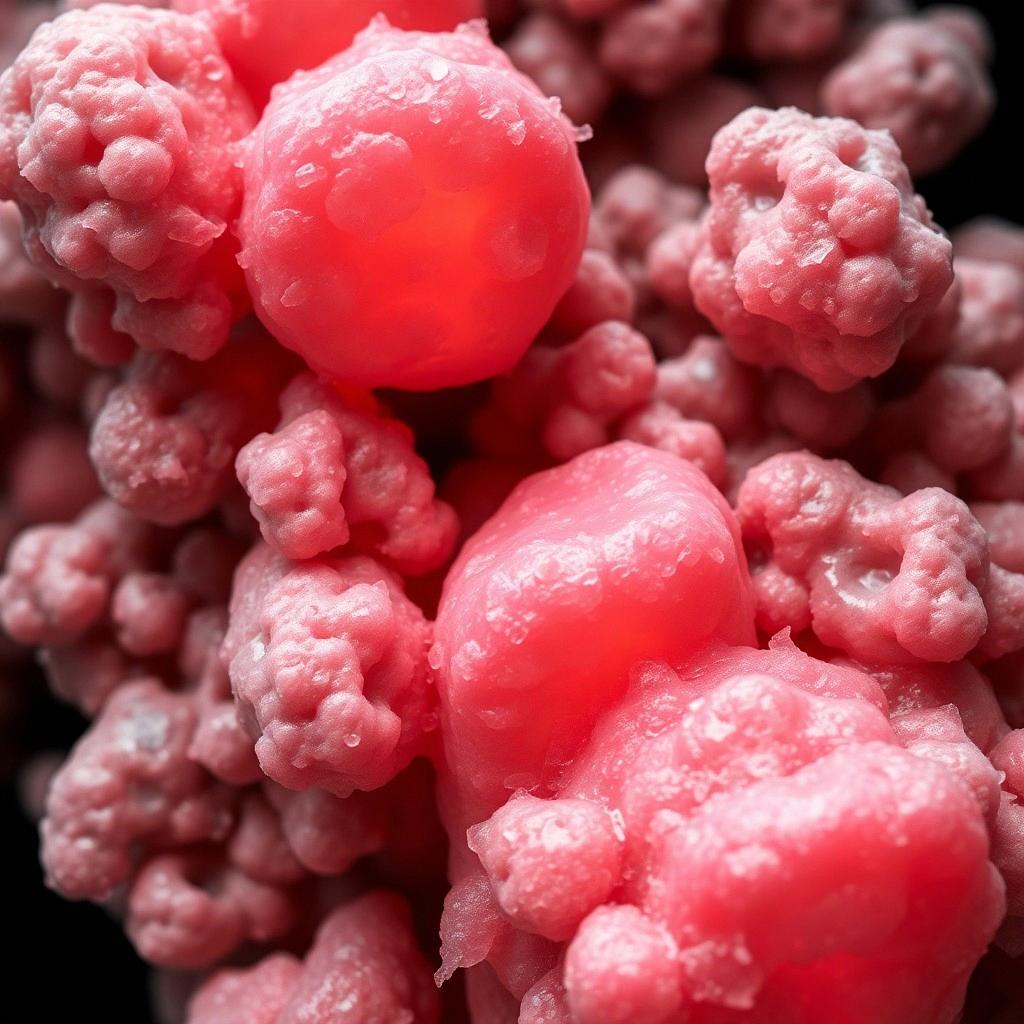
    Paper Review: Bacteria-Based Roles in Solid Tumors: Potential for Prevention and Treatment Science Art

     Science Movie


    Make a narrated HD Science movie for this answer ($32 per minute)


     Discussion


    Get Ahead With Science Insights

    Custom summaries of the latest cutting edge Science research. Every Friday. No Ads.


    My BGPT