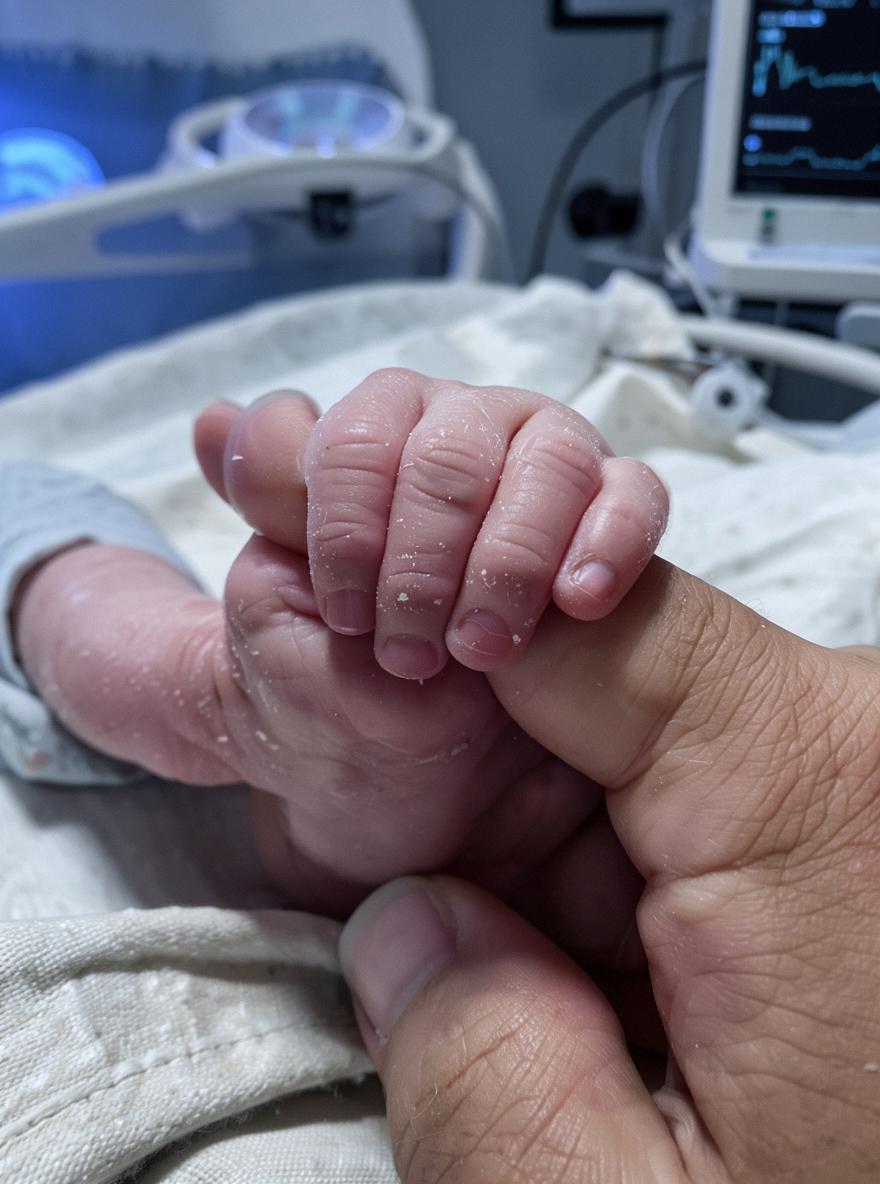
Devlin et al. provide a narrative review synthesizing epidemiology, screening, pharmacotherapy, and follow-up for Neonatal Opioid Withdrawal Syndrome (NOWS), grounded in a large Medicaid cohort of 201,275 opioid-exposed pregnancies showing 30β60% increased NOWS risk with single psychotropic co-exposure and doubled risk with two or more agents . The incidence data cited (1.2 to 5.8 per 1,000 hospital births from 2000β2009, ICU admissions rising from 7 to 27 per 100 between 2004β2013) reflect strong population-level surveillance .
The review acknowledges critical gaps: the Finnegan tool is subjective with 21 components and limited interobserver reliability; no assessment tool correlates with long-term neurodevelopmental outcomes . Grossman's eat-sleep-console approach reduced pharmacologic therapy from 98% to 14%, but long-term safety data were absent .
Genetic findings (OPRM1, COMT variants affecting length of stay) derive from small unreplicated cohorts . Long-term neurodevelopmental data are confounded by postnatal environment, poverty, and polydrug exposureβa limitation the review acknowledges but cannot resolve. The fivefold NOWS increase predates the fentanyl-dominant era, so current clinical presentations may differ substantially from what this review describes.
Know what changed, what holds up, and what remains uncertain. Every Friday. No ads.