Why BGPT?
logo

Human health insights from raw experimental data

Get actionable findings from clinical measurements, cohorts, and trial data extracted from papers.


Press Enter ↵ to solve


    Fuel Your Discoveries


     Quick Explanation


    What the evidence actually supports

    The claim that “distinct gut bacterial patterns correlate with psychological comorbidities in ED subtypes” is supported directionally by at least one ED-focused cohort study reporting ED-specific bacterial signatures and statistically significant correlations between some bacterial taxa and psychological comorbidities (e.g., anxiety/depression), but causality and generalizability remain uncertain because the key evidence here is cross-sectional and methodologically heterogeneous across studies.

    Best-supported pairing (from your provided raw data)
    • ED subtype → gut microbial signature (reported): EDILS cohort characterizes distinct microbiota changes for anorexia nervosa, bulimia nervosa, and binge-eating disorder and reports significant associations with psychiatric comorbidity measures.
    • Mechanistic plausibility: brain–gut–microbiome axis reviews synthesize bidirectional pathways relevant to psychological symptoms and comorbidity.


     Long Explanation


    Distinct gut bacterial patterns correlate with psychological comorbidities in ED subtypes — what’s known, what’s not, and how to test it

    Date: Apr 27, 2026. Evidence below is restricted to what is explicitly supported by the provided papers and their extracted fields.

    Visual 1 — ED diagnostic scope (from the ED review)

    This is a useful context anchor: EDs are described as six main categories in the provided Lancet seminar-style review.

    Visual 2 — Cohort scale & psychiatric phenotyping (EDILS)

    The key ED-specific microbiome evidence you provided comes from the EDILS cohort study, with 181 ED patients and 73 healthy controls, and multiple questionnaires used for psychological assessment.

    Psychological measures used (as extracted)
    • SCOFF, HADS, Rome III, SF36, EDI-2, QUAVIAM, BSQ (EDILS cohort extraction).

    Visual 3 — Strength of the specific claim within the provided evidence

    Below is a evidence-typing visualization (not a meta-analysis). It shows what the provided extracts explicitly claim versus what remains uncertain (especially causality).

    The EDILS extract explicitly reports: (i) distinct bacterial signatures by ED type and (ii) significant correlations between some taxa and comorbidity measures. However, the provided extract also explicitly states a cross-sectional design (limits causal inference) and other potential confound/bias issues.

    Core evidence: EDILS cohort report.

    Visual 4 — Why brain–gut–microbiome comorbidity links are biologically plausible

    This graph is a mechanism map, not proof of causality in EDs. It compiles general brain–gut–microbiome mechanisms relevant to psychological comorbidity (as synthesized in provided reviews).

    • Psychological comorbidity across GI diseases is commonly discussed within the brain–gut–microbiome axis framework, emphasizing bidirectional signaling and the need for longitudinal evidence.
    • IBS/IBD gut–brain axis reviews likewise stress mood disorder comorbidity and microbiota alterations, but highlight standardization and causality limitations.

    What would strengthen or disconfirm the ED subtype-correlation claim?

    Claim component Needed to support (beyond cross-sectional correlation) What would disconfirm / reduce confidence
    ED subtype ↔ gut signatures Replication in independent cohorts; consistent sequencing/processing; subtype stratification with adequate sample sizes. Failure to replicate bacterial signatures when controlling for diet/medication and matching clinical variables.
    Taxa ↔ psychological comorbidities Multi-omic validation; consistent directions of association; correction for multiple testing and confounders. No statistically meaningful associations in replication cohorts; associations disappear after stricter confounding control.
    Causality (microbes → comorbidity) Longitudinal follow-up and/or mechanistic perturbation studies connecting microbial features to changes in comorbidity trajectories. Stable correlations in cross-sectional data but no predictive value longitudinally; interventions that target the microbiome fail to change comorbidity endpoints.

    The EDILS extract explicitly flags cross-sectional limitations and possible influence of medication, plus self-reported questionnaires, which are exactly the failure modes this table is designed to address.

    More generally, GI gut–brain axis reviews highlight heterogeneity in microbiome methods and measurement variability as key reasons to remain cautious about causal interpretation.

    Bottom line (with epistemic humility)

    • Supported (directionally) in provided evidence: EDILS reports ED-type-specific gut microbial signatures and significant correlations between some taxa and psychological comorbidities (anxiety/depression).
    • Uncertain (and not established) in provided evidence: whether microbes cause comorbidity in ED subtypes. Cross-sectional designs cannot resolve directionality.
    • Mechanistic plausibility is reasonable but general: brain–gut–microbiome axis reviews provide biological rationales for comorbidity links; however, ED-specific causal chains require ED-focused longitudinal/perturbation evidence.


    Feedback:   

    Updated: April 28, 2026

     Top Data Sources ExportMCP


     Analysis Wizard


    It will parse EDILS cohort metadata and questionnaire labels, compute subtype-stratified association summaries (with multiple-testing correction), and render taxa↔comorbidity heatmaps if effect-size tables are present in the provided paper data.


     Hypothesis Graveyard


    “One universal ED microbiome signature explains all ED subtypes.” — Likely fails because the provided EDILS extract explicitly reports ED-type-specific bacterial signatures rather than a single profile across subtypes.


    “Gut microbiome differences are purely a consequence of medication and reporting bias.” — Cannot be fully excluded, but EDILS explicitly frames correlations and does not reduce them to medication/reporting alone; causality still unknown.

     Science Art


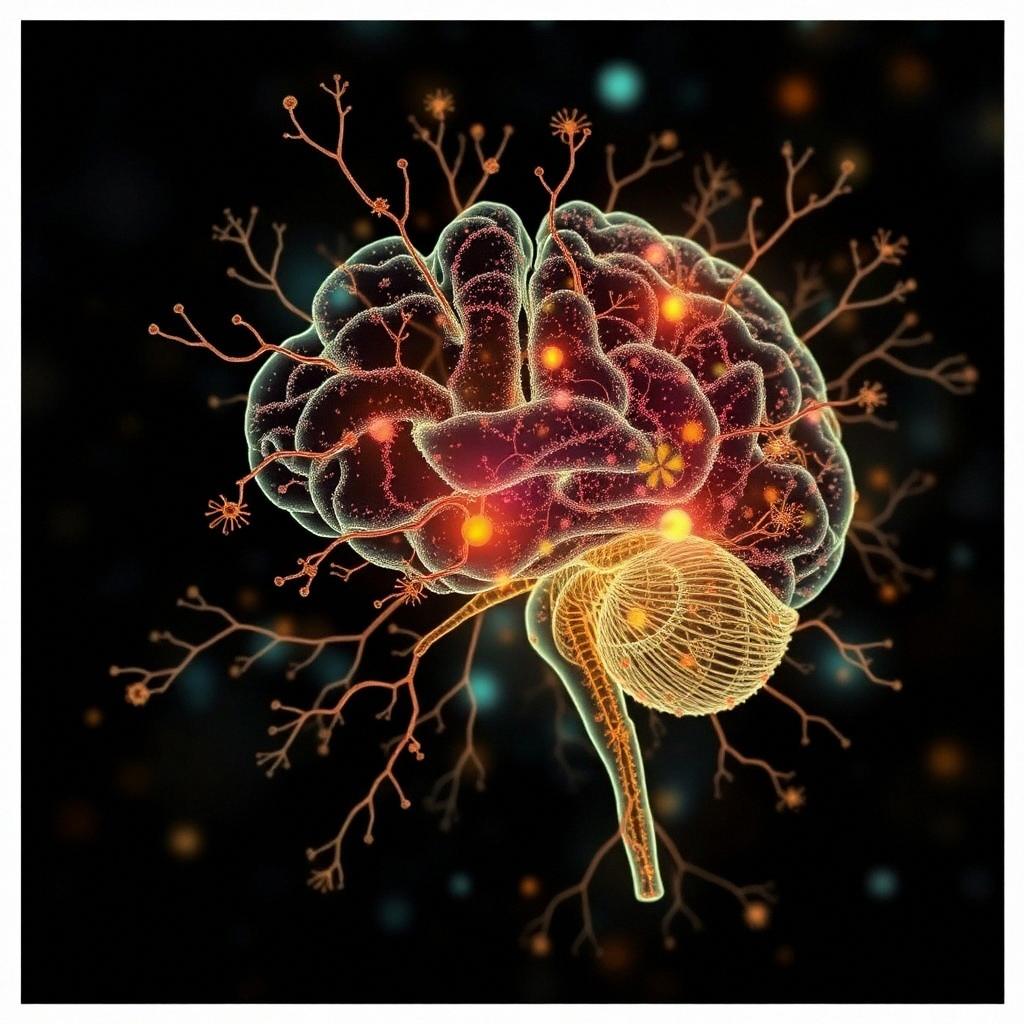
    Distinct gut bacterial patterns correlate with psychological comorbidities in ED subtypes. Science Art

     Science Movie


    Make a narrated HD Science movie for this answer ($32 per minute)


     Discussion


    Get Ahead With Science Insights

    Custom summaries of the latest cutting edge Science research. Every Friday. No Ads.


    My BGPT