Ask questions across claims linked to experiments, exact results, limitations, and sources.Know what the science actually supports before you trust the answer.
Press Enter ↵ to search evidence
Explore by Goal
"The molecules of life are like letters of the alphabet. You can't tell what a word says by knowing the number of letters in it."
- Matt Ridley
Long Analysis Plan
Copied
No usable evidence was supplied to answer whether green walnut husk can be used for microplastic removal. The retrieved records include eight clinical trials (NCT06437119, NCT07610421, NCT06127862, NCT07326761, NCT06571994, NCT06247579, NCT05900947, NCT07416214), and none test green walnut husk as an adsorbent or filtration material for microplastics. The closest adjacent evidence is a completed trial of Lactiplantibacillus plantarum PD01 supplementation for reducing microplastics in humans (NCT07416214) and an observational NICU cohort of neonatal microplastic exposure via parenteral nutrition (NCT07326761) — neither speaks to walnut husk adsorbents.
What is missing: peer-reviewed adsorption/biosorption studies reporting removal efficiency (%), polymer type, particle size range, water chemistry (pH, ionic strength), regeneration cycles, and column-vs-batch comparisons for Juglans-based husk or biochar. Without such data, no conclusion on efficacy, mechanism (e.g., surface adsorption vs. size exclusion), or scalability can be drawn. BGPT cannot cite or evaluate sources not supplied in this query.
We'll email you the results when your analysis is finished.
Hypothesis Graveyard
That agricultural waste adsorbents generically remove microplastics efficiently: without supplied polymer-specific, matrix-controlled data, this generalization is unsupported and often fails at scale.

 Explore by Goal
 Long Analysis Plan
 Ask a Follow-Up
 Key Insight
 Keep Exploring
 Hypothesis Graveyard
 Potential Experiments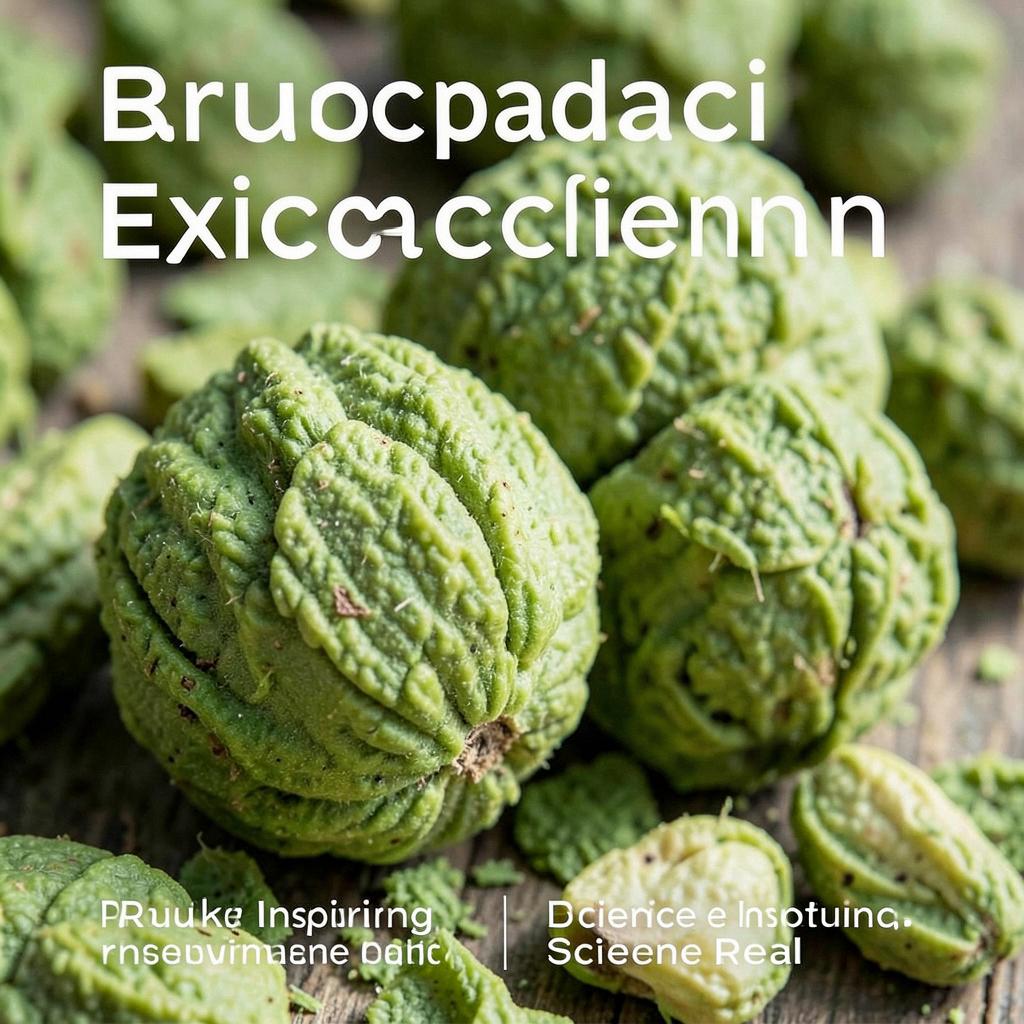
 Science Movie
 Discussion